





A rental can have fresh paint, working appliances, and great light, yet still feel neglected the moment a prospect looks down. Floors carry the history of a property. They show traffic patterns, pet wear, spills, and the difference between quick turnover work and careful preparation. That is why property manager floor cleaning is not a cosmetic extra. It is one of the clearest ways to protect value, shorten vacancy, and make a unit feel ready for the next resident.
For property managers, the challenge is rarely whether floors matter. It is how to handle them efficiently without overspending or creating delays between tenants. The right approach depends on the flooring type, the condition of the unit, and the timeline for getting it back on the market. A rushed cleaning can leave behind odors, residue, and damp carpets. An overly aggressive treatment can damage finishes or shorten the life of the flooring itself.
Why property manager floor cleaning affects more than appearance
Clean floors influence how a property is judged within seconds. Prospective tenants may not know the cleaning method used, but they notice dull tile, sticky residue, matted carpet, and cloudy hardwood finishes right away. Those details shape the overall impression of the home, even when everything else is in good condition.
There is also a practical side. Floors take the hardest day-to-day use in a rental. When dirt, grit, and moisture are left in place, they act like sandpaper on carpet fibers, grout lines, and wood finishes. Professional cleaning helps remove the buildup that wears surfaces down early. Over time, that can mean fewer premature replacements and lower make-ready costs.
For occupied properties, floor cleaning also supports a healthier indoor environment. Carpets and ducts are different systems, but floors still collect dust, allergens, and tracked-in debris that circulate through a home. In family rentals, that matters. Residents notice when a home feels cleaner, not just when it looks cleaner.
What property managers should look at before scheduling cleaning
Not every unit needs the same level of service. A two-year tenancy with children and pets calls for a different plan than a short-term lease in a lightly used condo. Before scheduling, it helps to assess three things: the material, the level of soiling, and the turnover deadline.
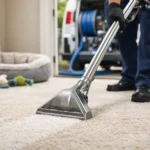
Carpet often needs more than surface attention. Vacuuming and spot treatment may improve appearance, but they usually do not remove deep soil, lingering odor, or traffic lane buildup. Truck-powered hot water extraction is often the better choice when the goal is a real reset between tenants, especially because it cleans deep and dries faster when done correctly.
Tile and grout bring a different issue. Many rental bathrooms, kitchens, and entryways look older than they are because the grout has darkened. Mopping alone usually cannot fix that. Professional tile cleaning can restore a much brighter, cleaner appearance without replacing the floor.
Hardwood requires caution. Some managers assume every dull wood floor needs refinishing, but that is not always true. In many cases, careful professional cleaning can remove residue and improve the look significantly. If the finish is worn through, cleaning helps, but it will not hide damage. That is where honest assessment matters.
The biggest mistake in rental turn cleaning
The most common mistake is treating all floor cleaning like janitorial work. General cleaning crews do valuable work, but floor care often needs specialized equipment, specific cleaning agents, and experience with different materials. A carpet that is over-wet or left with detergent residue can become a problem quickly. So can hardwood cleaned with the wrong product or tile scrubbed in a way that leaves haze behind.
For property managers, this is where consistency matters as much as capability. A company that sends a different team every visit may not notice patterns across your properties or understand your expectations from one job to the next. A consistent crew tends to communicate better, work more predictably, and take clearer responsibility for the final result.
That steady approach is especially useful when schedules are tight. If the vendor knows your standards and your property mix, there is less back-and-forth and less chance of surprises on turnover day.
Carpet cleaning for rental units
Carpet is still common in bedrooms, living rooms, stairs, and lower-level spaces because it is comfortable and cost-effective. It is also the flooring most likely to hold onto odors and visual wear. For a rental, that can affect both marketing photos and in-person showings.
Deep carpet cleaning works best when it is timed after repairs and painting but before final touch-ups and photography. That order matters. Cleaning too early means the carpet may pick up dust from later work. Cleaning too late can put the whole turnover timeline at risk if drying time is slow.
This is one reason truck-powered hot water extraction is often preferred. It is manufacturer-recommended for many carpets, removes deep soil effectively, and, when performed by an experienced crew, offers faster drying than methods that leave heavy moisture behind. Property managers do not need the technical details as much as the practical result: cleaner carpet, less downtime, and fewer complaints from incoming tenants.
Still, carpet cleaning is not magic. If fibers are crushed, padding is compromised, or pet contamination has gone deep into the backing, cleaning may improve the situation without fully restoring it. A good service provider should say that plainly rather than oversell the result.
Tile and grout cleaning in kitchens, baths, and entryways
Tile is durable, which is exactly why many rental properties rely on it. But durability should not be confused with self-maintenance. Grout lines collect soil gradually and can make an otherwise solid floor look permanently dirty.
In a turnover, tile and grout cleaning often delivers one of the most visible improvements for the cost. Bathrooms feel fresher. Kitchens look better cared for. Entryways lose that dark, worn appearance that can make the whole property seem older.
For property managers balancing budgets, this is often a smart middle ground. Full floor replacement is expensive and disruptive. Professional cleaning can buy time, improve presentation, and help preserve the materials you already have.
Hardwood floor cleaning without guesswork
Hardwood is a strong selling point in many homes, but it is also easy to damage with the wrong maintenance. Too much water, harsh products, or generic cleaners can leave residue, dull the finish, or create long-term problems.
Professional hardwood floor cleaning is about restraint as much as technique. The goal is to remove embedded dirt and film without saturating the wood or disturbing the finish. For property managers, that means better appearance with less risk.
It also helps with decision-making. A clean hardwood floor is easier to evaluate honestly. You can see whether the issue was simple buildup or true finish wear. That makes it easier to decide whether the floor is ready for market or needs additional work.
When faster turnaround matters most
Vacancy is expensive, but speed should not come at the expense of quality. The better goal is efficient turnover. That means scheduling the right floor service at the right point in the prep process and working with a crew that shows up prepared.
For real estate agents and property managers, reliability often matters more than flashy promises. An owner-operated company with one consistent crew can be a real advantage here. The communication is clearer, accountability is stronger, and the work tends to reflect long-term standards rather than whatever a rotating team can finish that day. That has helped companies like White Knight Carpet Cleaning stay trusted with both homes and rental units over time.
Choosing a floor cleaning partner for managed properties
Price matters, but the lowest number on a quote can cost more later if the work has to be redone or if the flooring wears out sooner. A better standard is value: effective cleaning, appropriate methods, dependable scheduling, and a clear understanding of what can and cannot be restored.
It also helps to choose a company that respects the setting. Rental properties are still homes. Even in a fast turnover, the work should be done carefully, safely, and with attention to the next resident’s experience. That includes products and processes that make sense for families, pets, and everyday living.
If you manage residential properties, floor cleaning is one of the simplest ways to improve both presentation and longevity without taking on a renovation. Done well, it helps a unit feel cared for the moment someone walks in – and that first impression is often the one that gets the lease signed.