






You usually notice indoor air quality after something starts bothering you. Maybe the house feels dusty again a day after cleaning, one room smells stale, or allergy symptoms seem worse when everyone is inside more often. The best ways to improve indoor air quality are often not complicated, but they do require paying attention to the places where dust, moisture, and buildup collect over time.
For most homes, cleaner air starts with a combination of better filtration, moisture control, regular cleaning, and removing pollutants at the source. It is rarely one single fix. A new air filter helps, but it will not solve moisture in the basement. Opening windows can freshen the house, but not on a high-pollen day. The goal is to make steady, practical improvements that fit how your home is actually used.
The best ways to improve indoor air quality start at the source
Many air quality problems begin with materials and surfaces inside the home. Dust settles into carpet fibers, upholstery, vents, and corners. Cooking releases particles and odors. Pet dander moves through the air and lands everywhere. Moisture from showers, leaks, or poor ventilation can create conditions where mildew and mold grow.
That is why source control matters so much. If contaminants keep being produced or trapped indoors, air fresheners and scented products only cover them up. Real improvement comes from reducing what is circulating in the first place.
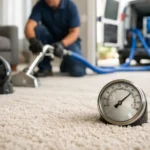
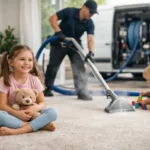
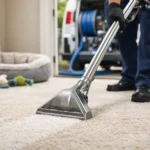
A good example is carpet. Carpet can make a room more comfortable and quieter, but it also holds dust, pollen, pet dander, and tracked-in debris. Regular vacuuming helps, especially with a vacuum that has strong suction and a good filter. Still, over time, deep soil settles below the surface where household vacuums do not fully reach. Professional hot water extraction can remove a great deal of that embedded buildup and leave the carpet cleaner without the heavy residue some methods can leave behind.
Keep your HVAC filter working for you
One of the simplest steps is also one of the most overlooked. If the HVAC filter is clogged, air still moves, but the system has to work harder and may circulate more dust than it should. A clean, properly fitted filter supports cleaner airflow throughout the house.
The right filter depends on your system and your household needs. Homes with pets, allergy concerns, or heavier occupancy may need more frequent filter changes. Higher-rated filters can capture smaller particles, but they are not always the best choice for every system if they restrict airflow too much. When in doubt, follow the equipment recommendations and ask an HVAC professional what your system can handle safely.
It also helps to check filters on a schedule instead of waiting until they look dirty. Many homeowners benefit from checking monthly and replacing as needed every one to three months.
Manage humidity before it becomes a bigger problem
Air that is too damp can feel uncomfortable, smell musty, and create conditions where mold and dust mites thrive. Air that is too dry can irritate the throat, skin, and sinuses. In most homes, balanced humidity is a big part of healthy indoor air.
Bathrooms, kitchens, laundry areas, basements, and crawl spaces are common trouble spots. Use exhaust fans during showers and cooking, and let them run long enough to remove moisture instead of shutting them off right away. If a basement feels damp, a dehumidifier may make a noticeable difference.
Leaks also matter more than many people realize. A small plumbing drip under a sink or a slow roof leak in the attic can quietly affect air quality long before there is visible damage. If you notice musty odors, warped materials, or recurring condensation, it is worth investigating early.
Vacuum and clean with air quality in mind
Cleaning can improve air quality, but only if it is done in a way that removes particles instead of stirring them back into the air. Dry dusting with an old rag may move dust around more than it removes it. Sweeping hard floors too aggressively can do the same.
A better approach is to use microfiber cloths for dusting and a vacuum with a quality filter, especially in bedrooms, living rooms, and other high-use spaces. Pay extra attention to areas that collect hidden dust, like baseboards, under beds, upholstered furniture, and entryways.
Floors deserve special attention because they act like a landing zone for everything from outdoor dirt to pollen and pet hair. In homes with carpet, routine vacuuming helps maintain appearance and reduce loose debris, but periodic deep cleaning is what removes the deeper accumulation. That can be especially helpful for families with young children who spend a lot of time close to the floor.
Do not ignore air ducts, but do not overpromise them either
Air duct cleaning can be beneficial in the right situation. If ducts contain heavy dust buildup, debris from renovation work, or signs of mold or pest activity, cleaning may help reduce what is being circulated through the home. It can also make sense when moving into a home with an unknown maintenance history.
At the same time, duct cleaning is not a cure-all. If filters are not changed, carpets are heavily soiled, or there is a moisture issue in the house, those problems still need to be addressed. Indoor air quality improves best when duct cleaning is part of a broader maintenance plan, not a stand-alone answer.
For homeowners, the practical question is not whether ducts should always be cleaned, but whether there is a reason to suspect buildup or contamination inside the system. A trustworthy company should be clear about that.
Ventilate strategically, not automatically
Fresh outdoor air can help dilute indoor pollutants, but ventilation works best when conditions outside support it. On a mild day with low humidity, opening windows can make the house feel fresher and reduce stale odors. On a day with heavy pollen, wildfire smoke, or high humidity, bringing in outside air may make things worse.
Kitchen ventilation is especially important. Cooking, especially frying or high-heat cooking, releases grease particles, smoke, and odors into the air. Using a vent hood that exhausts outside can make a real difference. If your fan only recirculates air, cleaning its filter regularly still helps.
The same principle applies in bathrooms. A good exhaust fan removes moisture and odors before they spread through the house. If yours is loud, weak, or rarely used because it is inconvenient, that is worth correcting.
Be careful with products that add pollutants indoors
Some of the strongest indoor odors come from products meant to make the house smell clean. Scented sprays, candles, plug-ins, and strong chemical cleaners can add volatile compounds and particles to the air, especially in tightly sealed homes.
That does not mean every fragranced product is harmful in every situation, but it does mean moderation matters. If someone in the home has asthma, allergies, or chemical sensitivities, reducing these products can help. Unscented or lower-odor cleaning products are often a better fit for everyday use.
It is also smart to store paint, solvents, gasoline, and other strong chemicals away from living areas. Attached garages can affect indoor air more than people expect, particularly if fumes drift inside through gaps or shared walls.
Consider an air purifier for the rooms that need it most
Portable air purifiers can be a useful addition, especially in bedrooms, nurseries, or rooms where pets spend a lot of time. They are not a substitute for cleaning or moisture control, but they can help reduce fine airborne particles.
The key is choosing the right size unit for the room and using it consistently. A purifier that is too small or only runs occasionally will not do much. Noise level matters too. If it is too loud for nighttime use, people tend to turn it off.
For many households, one well-placed purifier in a frequently used room is more practical than buying several low-performing units.
How to improve indoor air quality over the long term
The homes with the healthiest indoor air are usually not the ones doing one dramatic thing. They are the ones where small maintenance habits stay consistent. Filters get changed. Moisture problems get handled early. Carpets and floors are cleaned on schedule. Vents, bathrooms, and kitchens are not neglected.
This is also where professional help can be worth it. Deep carpet cleaning, air duct cleaning when truly needed, and routine care of the surfaces that trap dust all support better indoor air. For homeowners who want dependable service from one familiar crew, that consistency matters. It means the work is done carefully, with respect for the home and attention to the details that affect day-to-day comfort.
If you are trying to make the air in your home feel cleaner, start with the places that collect buildup and the habits that keep it there. Better air usually comes from quieter improvements, done well and done regularly. That kind of care is what makes a home feel fresher, healthier, and easier to live in.