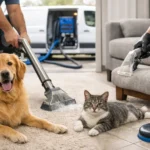






A floor can look clean and still be a problem for the dog that licks its paws or the cat that stretches out on the rug an hour later. That is why pet safe floor cleaning matters in a very practical way. The right approach protects your floors, helps control odors and residue, and reduces the chance that your pets pick up something irritating every time they walk through the house.
For many homeowners, the challenge is not whether to clean more often. It is how to clean thoroughly without leaving behind chemicals, heavy fragrance, or slick residue. Pets live close to the floor. They breathe near it, nap on it, and groom whatever lands on their fur and feet. A safer cleaning routine starts with that reality.
What pet safe floor cleaning really means
Pet safe floor cleaning is not just about buying a bottle labeled natural or gentle. A product can sound mild and still leave behind residue that bothers sensitive paws, triggers licking, or creates strong odors in an enclosed home. Safety comes from the full process – the cleaner you choose, the amount you use, how well it is removed, and how quickly the surface dries.
Different floors also respond differently. Hardwood, carpet, tile, grout, and laminate do not need the same treatment. Using one all-purpose product across every room can lead to buildup, moisture problems, or wear over time. A safer routine is usually a more precise one.
That is one reason homeowners often get mixed results with store-bought products. Too much solution can soak into carpet backing, dull a wood finish, or leave tile floors sticky. Then the pet tracks that residue into other rooms, and the cycle starts again.
The biggest mistakes homeowners make
The most common issue is overusing cleaning solution. Many people assume more soap means a cleaner floor, but extra product often means extra residue. On hard surfaces, that can make floors feel tacky. On carpets, it can attract soil faster and hold odors instead of removing them.
Another mistake is relying on strong fragrance as proof of cleanliness. A heavy scent may cover pet odor for a day or two, but it does not solve the source of the smell. For some pets and people, strong fragrance can also be irritating. Clean floors should smell neutral, not perfumed.
DIY mixtures can also be hit or miss. Vinegar is popular, but it is not ideal for every surface. It can damage some stone finishes and may not be the best fit for certain hardwood flooring products. Essential oils are another area where caution matters. Some oils that people enjoy can be a poor choice around pets, especially in concentrated amounts.
Then there is the drying issue. Even a safe cleaner becomes less practical if the floor stays damp for too long. Wet carpet or grout can trap dirt, encourage odors, and create an uncomfortable environment for pets and people alike.
Choosing safer products without guessing
A good pet-friendly cleaner should do three things well. It should remove soil effectively, rinse or lift away cleanly, and avoid leaving a strong lingering residue. That sounds simple, but labels do not always make it easy.
Look for straightforward product directions and avoid anything that depends on a heavy scent to signal results. If a cleaner requires a large amount of product for regular maintenance, that is worth questioning. In many homes, a lower-residue product used correctly is better than an aggressive cleaner used too often.
If you have hardwood, follow the flooring manufacturer’s care guidance whenever possible. That matters not just for appearance, but for the life of the finish. For carpet, manufacturer-recommended cleaning methods are important too. Some carpets respond best to hot water extraction because it is designed to flush soil and residue out of the fibers rather than simply pushing them around.
For tile and grout, the safer choice is usually one that cleans deeply without leaving a slippery film. Pets do not need another reason to skid across the kitchen floor.
Pet safe floor cleaning by surface
Carpet
Carpet tends to hold the most pet-related problems because it can trap dander, tracked-in dirt, body oils, and accident residue below the surface. Spot sprays can help in the moment, but they often address only the top layer. If the pad or backing is affected, the odor may return.
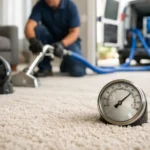
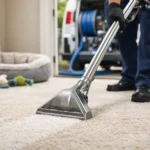
That is where deeper cleaning matters. Professional hot water extraction is often a strong choice for pet households because it removes embedded soil and helps rinse away cleaning agents more thoroughly than many consumer machines. Fast drying also matters. The less time carpet stays wet, the better the result for comfort, odor control, and everyday use.
Hardwood
Hardwood needs a careful balance. Too much water is a problem, but so is product buildup. Many pet owners wipe repeatedly with spray cleaner, which can gradually leave a haze or film. A lightly damp, well-rinsed cleaning method is usually safer than saturating the floor.
Pets with long nails can also wear down finishes over time, so cleaning should work alongside prevention. Keeping nails trimmed and wiping paws after outdoor walks often protects the floor as much as the cleaner itself.
Tile and grout
Tile may seem easy because it is durable, but grout lines often hold dirt and pet traffic residue. Mopping alone can spread dirty water over the surface without truly lifting what is embedded in the grout. When that buildup stays in place, the room can still smell less fresh even after cleaning.
A deeper tile and grout cleaning can make a noticeable difference in homes with pets, especially near entryways, feeding areas, and back doors.
Why professional cleaning can be the safer option
Some homeowners assume professional cleaning sounds harsher than a DIY method, but that is not always the case. In many situations, the safer approach is the one that removes more soil with less residue left behind. That depends on the equipment, the method, and the person doing the work.
Truck-powered hot water extraction is a good example. When used properly, it can clean deeply, extract more moisture, and support quicker drying than many rental or portable machines. That is especially helpful in pet homes, where trapped moisture and leftover detergent can create repeat problems.
There is also value in consistency. When one experienced crew handles the job, there is more accountability in how products are selected, how problem spots are treated, and how the home is respected during service. For homeowners, that often translates into peace of mind as much as cleaner floors.
Building a routine that works between deep cleanings
Daily life with pets is not spotless, and it does not need to be. The goal is to keep small messes from turning into bigger ones. That usually means vacuuming often enough to stay ahead of fur and grit, wiping paws during wet weather, and cleaning accidents quickly with the right method instead of overapplying product.
It also helps to think in zones. Entry areas, feeding stations, favorite nap spots, and routes to the backyard need more attention than a formal room your dog never enters. A realistic routine is better than a perfect one that nobody can keep up with.
Washable mats can reduce wear near doors, and frequent vacuuming helps remove abrasive dirt before it grinds into carpet or scratches hard surfaces. If a room still smells off after regular cleaning, that is often a sign that the issue is below the surface rather than on top of it.
When odors keep coming back
Recurring odor is one of the clearest signs that surface cleaning is not enough. You might remove visible dirt and still notice that familiar pet smell on humid days or after the house has been closed up. In many cases, the source is residue in carpet fibers, padding, grout, or other porous material.
This is where homeowners can waste time and money trying one product after another. Deodorizing sprays may mask the issue temporarily, but if the material itself has not been cleaned out, the smell often returns. A deeper cleaning that extracts contamination is usually more effective than layering fragrance over it.
For homes preparing for guests, a move, or a listing, this matters even more. Floors carry a large part of a home’s first impression. Clean-looking surfaces are good. Clean-smelling and truly fresh surfaces are better.
A better standard for clean floors
The safest cleaning routine for a pet home is usually not the strongest or the most heavily scented. It is the one that removes dirt and residue completely, respects the material being cleaned, and dries fast enough to fit real life. That may mean changing products, using less solution, or bringing in professional help when the floors need more than a quick pass.
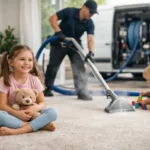
At White Knight Carpet Cleaning, we have seen how much difference the right method makes in homes with children, pets, and busy schedules. Clean floors should feel comfortable to live on, not just look good from the doorway.
If you are trying to make your home cleaner without making it harsher, start with what your pets experience every day – the surfaces under their paws, their fur, and their favorite place to rest.