






A carpet can look perfectly clean and still make a room feel unpleasant the moment you walk in. If you have been asking, “why does carpet smell?” the answer is usually not the carpet fibers alone. Odors often come from what has settled beneath the surface: moisture, food residue, pet accidents, tracked-in soil, or old spills that were never fully removed.
The good news is that most carpet odors have an identifiable cause. Once you understand where the smell is coming from, you can decide whether routine care will solve it or whether the carpet needs a more thorough professional cleaning.
Why Does Carpet Smell Even After Vacuuming?
Vacuuming is essential for removing dry soil, crumbs, pet hair, and dust from the top portion of the carpet. But it cannot remove the sticky residues and moisture that hold odors in place. Carpet acts like a filter over time, catching particles that come in on shoes, settle from the air, or are left behind by everyday living.
A kitchen-adjacent carpet may absorb cooking oils. A family room may collect snack crumbs, skin oils, and pet dander. Near an exterior door, the fibers can trap dirt and organic material brought in during wet Maryland weather. As bacteria break down these materials, they can produce a stale, sour, or musty smell.
The backing and padding matter, too. When an accident or spill reaches below the carpet face fibers, the odor can remain out of reach of ordinary household cleaning. A room may smell fresh for a few hours after using a deodorizing spray, then the odor returns because the source is still underneath.
Common Reasons Carpet Develops an Odor
Moisture and slow drying
Moisture is one of the most common reasons carpet smells musty. This can happen after a spill, a pet accident, a plumbing leak, wet shoes, or an at-home cleaning attempt that left the carpet too damp for too long. Humid weather can make the issue more noticeable because moisture in the air can reactivate odors held in the carpet.
A damp carpet creates favorable conditions for mildew and bacterial growth. That does not mean every musty carpet has mold, but it does mean the area deserves attention. If there is a known leak, visible discoloration, repeated dampness, or a strong odor that returns quickly, address the moisture source before cleaning the carpet. Cleaning alone cannot correct an active water problem.
Pet urine and pet-related odors
Pet accidents are especially challenging because urine can travel through carpet fibers into the backing, pad, and sometimes the subfloor. As urine dries, it leaves behind concentrated residue. Humidity or moisture from later cleaning can reactivate that residue, which is why an old pet odor may seem to return without a new accident.
Pet hair, dander, and oils can also contribute to a general animal odor in areas where pets sleep or spend most of their time. Prompt blotting after accidents helps, but the best treatment depends on how deeply the contamination traveled and how long it has been there.
Food, drink, and everyday spills
Coffee, milk, juice, wine, grease, and other household spills can leave more behind than a visible stain. Even when the color is gone, sugary or oily residue may remain in the fibers. That residue attracts soil and can become a food source for odor-causing bacteria.
Be careful with heavy use of store-bought spot removers. Some products leave a soapy film that attracts dirt, making the treated spot look dirty again sooner. Others can set certain stains or make it harder to rinse the carpet thoroughly.
Smoke, cooking, and household air
Carpet absorbs odors from the air. Cigarette smoke, fireplace smoke, strong cooking odors, candles, and even a nearby garage can affect how a room smells. In these cases, the carpet may be only one part of the problem. Upholstery, curtains, air ducts, and walls can also hold odor particles.
If the smell is most noticeable when the heat or air conditioning runs, it may be worth considering whether dust or odor buildup in the ductwork is contributing to the issue. A clean carpet helps, but indoor air problems sometimes require a broader approach.
Old spills beneath the surface
An odor that seems strongest in one small area often points to an old spill, pet accident, or moisture event. The carpet may look normal because the surface dried, while material below remains affected. This is common in bedrooms, hallways, and rental properties where a prior occupant’s spill was not treated promptly.
The age of the odor affects the solution. Fresh spills are generally easier to remove. Long-standing contamination may need targeted treatment, and in severe cases, the padding or subfloor may need additional attention.
How to Tell What Kind of Carpet Odor You Have
The character and location of an odor can offer helpful clues. A musty or damp-basement smell suggests moisture. A sharp, ammonia-like odor often points to pet urine. A sour smell can come from food, milk, or a spill that remained damp. Smoke odors are usually more widespread and may cling to multiple soft surfaces in the room.
Pay attention to when the odor is strongest. If it becomes more noticeable after rain, during humid days, or after you clean a spot, hidden residue may be present. If the odor appears only when the HVAC system runs, the carpet may not be the only source.
Do not rely on fragrance to diagnose the problem. Air fresheners can cover an odor temporarily, but they do not remove the material causing it. A cleaner home usually smells neutral, not heavily perfumed.
What You Can Safely Do Before Calling a Professional
Start by finding and correcting any active source of moisture. Check for wet carpet near windows, exterior doors, appliances, plumbing fixtures, or pet areas. Use fans and ventilation to dry a recently damp area as quickly as possible.
For a fresh liquid spill, blot with clean white towels rather than rubbing. Press firmly to lift as much moisture as possible, working from the outside edge toward the center. Avoid soaking the carpet with water or using multiple cleaning products at once. Mixing products can damage fibers, leave residue, or create unwanted fumes.
Regular vacuuming also makes a real difference. Homes with children, pets, or active foot traffic benefit from more frequent vacuuming because dry soil can work its way deeper into the pile. Still, vacuuming should be viewed as maintenance, not a substitute for periodic deep cleaning.
When Professional Carpet Cleaning Makes Sense
Professional cleaning is often the best next step when the odor has lasted more than a few days, returns after spot cleaning, covers a large area, or is tied to pets, food spills, or heavy household use. It is also a practical choice before listing a home, welcoming new tenants, or moving into a property where the carpet’s history is unknown.
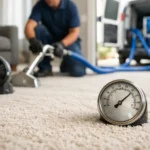
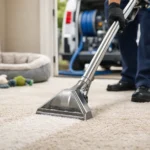
Truck-powered hot water extraction is designed to flush embedded soil, residue, and odor-causing material from deep in the carpet while extracting the cleaning solution and moisture. The quality of the process matters. Too much leftover water can create drying concerns, while inadequate extraction may leave the odor source behind.
White Knight Carpet Cleaning uses truck-powered hot water extraction to provide deep cleaning with fast drying times. For homeowners, property managers, and real estate agents, that can mean carpets are cleaner, fresher, and ready for normal use sooner. If pet contamination or an old spill is involved, be sure to mention it before service so the affected area can receive the appropriate attention.
Can a Smelly Carpet Be Saved?
Often, yes. Most odors caused by normal household soil, food spills, pets, and trapped moisture improve significantly with the right cleaning method and proper drying. Results depend on the type of odor, how long it has been present, the carpet material, and whether the contamination reached the pad or subfloor.
There are limits. If carpet has been repeatedly soaked by a leak, has visible mold growth, or contains extensive pet urine contamination, cleaning may not be the complete answer. In those situations, replacing padding, repairing the moisture issue, or consulting a restoration professional may be necessary. An honest assessment protects both your home and your investment.
A carpet should support a clean, comfortable home, not leave you wondering what that lingering smell might be. Address odors early, keep moisture under control, and choose deep cleaning when the problem is beyond the surface. A fresh-smelling room is often the result of removing the source, not simply covering it up.