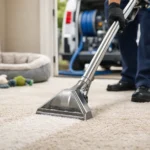







A hardwood floor can look clean from across the room while carrying a dull film of residue, fine grit, and the marks of everyday life. For homeowners seeking hardwood floor cleaning Maryland services, the goal should not be simply making the floor shine for a day. It is protecting the finish, preserving the wood underneath, and restoring the clean appearance that made hardwood worth choosing in the first place.
Wood floors are durable, but they are not maintenance-free. Montgomery County homes see their share of wet shoes, winter salt, pet traffic, cooking residue, and tracked-in dust. The right cleaning routine makes a visible difference while helping prevent the small scratches and finish wear that can turn into a more expensive refinishing project later.
Why Hardwood Floors Need a Different Approach
Hardwood is not tile, vinyl, or laminate. Water, heat, harsh chemicals, and abrasive tools can all cause problems when they are used without regard for the type and condition of the flooring. Too much moisture may seep between boards or into worn finish, contributing to cupping, swelling, or discoloration. Aggressive scrubbing can leave fine scratches that dull the floor over time.
The finish matters as much as the wood itself. Most modern hardwood floors have a protective surface coating, often polyurethane, that should be cleaned without leaving a sticky residue or stripping its protective qualities. Older floors may have wax, oil, shellac, or a finish that has worn thin in high-traffic areas. Those floors need a more careful evaluation before any cleaning product is selected.
This is why a one-size-fits-all cleaner is rarely the best answer. A product that works well on one floor may create haze or buildup on another. Before cleaning begins, it helps to know whether the floor is solid hardwood or engineered wood, what finish is present, and whether the issue is surface soil, residue, scratches, or moisture damage.
Everyday Care That Protects Your Finish
The simplest maintenance habits do the most to protect hardwood. Fine sand, grit, and small stones act like sandpaper under shoes and furniture. Regular dry cleaning removes that material before it gets ground into the finish.
Use a clean microfiber dust mop or a vacuum made for hard surfaces several times a week, especially near entryways, kitchens, and pet areas. Avoid vacuums with a rotating brush that cannot be turned off, since stiff bristles can scratch certain finishes. Entry mats inside and outside exterior doors also help, as long as the backing is safe for hardwood and does not trap moisture.
When a spill happens, wipe it up promptly with a soft, dry or lightly damp cloth. Do not let water sit along seams, around pet bowls, or near exterior doors. For routine damp cleaning, use only a well-wrung microfiber mop and a cleaner made for the floor’s finish. The mop should feel barely damp, not wet enough to leave standing water behind.
Furniture pads are another small investment with a large payoff. Check them periodically, because worn pads can collect grit. If your family moves dining chairs often, replace or clean the pads before they begin scratching the floor.
Common Hardwood Cleaning Mistakes to Avoid
Many floor problems begin with good intentions. Steam mops, for example, may seem like a convenient way to sanitize and clean, but steam introduces heat and moisture that can work into board seams or weak spots in the finish. Manufacturers of many hardwood products specifically advise against them.
Oil soaps and wax-based products can create another issue. They may leave a temporary shine, but repeated use can cause buildup that attracts dirt and makes later recoating or refinishing more difficult. Household cleaners containing ammonia, bleach, strong solvents, or high concentrations of vinegar can also affect certain finishes.
Avoid using excessive water, soaking a mop, or scrubbing with abrasive pads. A floor should never be cleaned like a deck or a ceramic tile surface. If a cleaning method requires rinsing the floor with large amounts of water, it is not a good fit for hardwood.
When Professional Hardwood Floor Cleaning Makes Sense
Regular home care is essential, but there are situations where professional hardwood cleaning is the more practical choice. Floors can develop cloudy buildup from incorrect products, dull traffic paths, greasy residue near kitchens, or stubborn soil that routine mopping does not remove. A professional can assess the floor and use a method suited to its finish rather than relying on guesswork.
Professional service is also useful before listing a home, after a rental turnover, or when preparing for a family gathering. Clean, well-maintained hardwood helps a room feel brighter and more cared for. For real estate agents and property managers, that presentation can matter when time is limited and a property needs to be market-ready.
A responsible cleaner should inspect the floor first. Areas with finish wear, gaps, water stains, cupping, deep scratches, or exposed wood may need refinishing or repair instead of cleaning alone. Cleaning can remove soil and residue, but it cannot replace a protective finish that has worn away.
At White Knight Carpet Cleaning, the same owner-operated crew approach that customers appreciate for carpet and tile cleaning also supports careful work in the home. Consistency matters when a service provider is working around valuable flooring, furniture, and the daily life of a household.
What to Expect From Hardwood Floor Cleaning in Maryland
A good service begins with a conversation about the floor’s history. Has it been refinished recently? Are there pets, water marks, or spots that remain sticky after mopping? Has a wax or polish product been used in the past? These details help determine the safest path forward.
The cleaning process should focus on controlled moisture, appropriate cleaning solutions, and tools that lift soil without abrading the finish. The goal is to remove dulling residue and ground-in dirt while leaving the floor clean, even-looking, and ready for normal use according to the drying guidance provided.
Results depend on the floor’s condition. A professionally cleaned floor can look noticeably fresher and less hazy, but deep gouges, faded finish, sun bleaching, and dark water stains are not cleaning issues. In those cases, cleaning may still improve the overall appearance, yet refinishing or targeted repair may be necessary for a full restoration.
How Often Should Hardwood Floors Be Cleaned?
Dry dusting or vacuuming is usually needed weekly, and more often in active homes with children, pets, or frequent foot traffic. Damp cleaning may be needed every few weeks or when the floor begins to show visible soil. The exact schedule depends on how the space is used, not on a calendar alone.
Professional cleaning is often appropriate when buildup is visible, the floor has lost its clarity, or a move, sale, or rental turnover calls for a stronger presentation. Some households benefit from service every year or two, while others need it less often because they have low traffic and consistent daily care.
The best approach is preventive rather than reactive. Do not wait until the finish looks neglected or the floor feels sticky underfoot. Addressing soil and residue early is usually easier, safer, and more affordable than trying to correct years of improper product use.
A Cleaner Floor Starts With the Right Care
Hardwood floors bring warmth and value to a home, but they reward a thoughtful cleaning routine. Use gentle tools, keep moisture under control, and choose professional help when buildup or uncertainty gets in the way of proper care. A floor that is cleaned with respect for its finish can continue to welcome your family for many years.