






A toddler’s favorite place to play is often the exact place adults overlook between regular cleanings: the floor. Crawling, sitting, snacking, and putting toys back in their mouths all create close contact with carpet, tile, hardwood, and the cleaning residues left behind. Safe floor cleaning for toddlers is not about making a home sterile. It is about removing everyday soil without leaving behind moisture, slippery surfaces, or unnecessary chemical residue.
For families, the best approach is practical and consistent. Clean spills promptly, choose products that match the surface, follow label directions, and give floors enough time to dry before little feet and hands return to them.
What makes floor cleaning safe for toddlers?
A floor can look clean and still create problems if it is slick, damp, or coated with product. Toddlers are more likely than adults to touch the floor and then touch their faces or eat a snack. They are also more vulnerable to falls on wet hardwood, tile, or vinyl.
The goal is to address three concerns at once: dirt and allergens, cleaning-product residue, and moisture. That means using the least aggressive effective cleaner for the job, avoiding overapplication, and rinsing or extracting when the product instructions call for it.
“Natural” does not automatically mean safe, either. Some concentrated essential oils can irritate skin or cause problems if swallowed. Vinegar may be useful for limited household tasks, but its acidity can dull or damage certain stone floors and finishes. A product should be selected based on the flooring manufacturer’s recommendations, not just a label claim on the front of the bottle.
Safe floor cleaning for toddlers by floor type
Every flooring material has different needs. Using the wrong method can leave residue, damage the finish, or create a longer drying time.
Carpet: remove soil and dry it thoroughly
Carpet acts like a filter for the home, collecting dust, tracked-in dirt, pet dander, food crumbs, and outdoor particles. Frequent vacuuming is the first line of defense, especially in play areas, entryways, and near the kitchen table. A vacuum with good suction and a clean filter helps remove dry soil before it gets ground into the fibers.
For small spills, blot with a clean white towel rather than scrubbing. Scrubbing can push the spill deeper and roughen carpet fibers. Use a small amount of carpet-safe spot cleaner only when needed, and do not soak the area. Afterward, blot again with clean water if the product directions recommend rinsing, then use dry towels to pull out moisture.
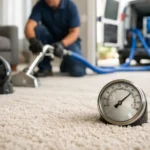
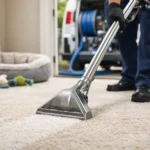
When carpets need a deeper cleaning, hot water extraction performed correctly can remove embedded soil and rinse away cleaning solution. This is especially helpful in homes with active toddlers, pets, or high-traffic family rooms. Fast drying matters because damp carpet can feel unpleasant underfoot, attract new soil, and keep children away from their normal play space longer than necessary.
White Knight Carpet Cleaning uses truck-powered hot water extraction because it provides a deep clean while helping carpets dry quickly. For Montgomery County families, professional cleaning can be a sensible option when spots keep returning, rooms have a stale odor, or the carpet has not had a thorough rinse in some time.
Hardwood: clean gently and avoid standing water
Hardwood floors need less water than most homeowners think. Excess moisture can work into seams, affect the finish, and contribute to cupping or discoloration over time. It also creates a slip risk for toddlers who are still unsteady on their feet.
Start with dry dust mopping or vacuuming with a hardwood-safe setting. For stuck-on messes, use a lightly damp microfiber mop and a cleaner approved for the specific floor finish. The mop should feel barely damp, not wet enough to leave visible water behind. Wipe up spills right away, particularly juice, milk, and pet accidents.
Avoid steam mops unless the flooring manufacturer specifically permits them. The heat and moisture can be too much for some wood floors and finishes. Oil soaps, waxes, and heavy polish products can also leave a film that makes the floor look hazy or slippery.
Tile and grout: focus on the grout lines
Tile itself is usually durable, but grout can hold onto food spills, tracked-in dirt, and moisture. Regular sweeping followed by a damp mop is often enough for routine care. Use a pH-neutral cleaner when possible, particularly on natural stone tile, which can be sensitive to acidic or harsh products.
For grout, avoid mixing cleaning chemicals. Combining products such as bleach and ammonia can create dangerous fumes. If a stronger cleaner is needed for a stubborn area, keep toddlers out of the room, ventilate the space, use only one product at a time, and rinse according to the directions. Dry the floor before reopening the area for play.
Vinyl and laminate: use a light hand
Vinyl and laminate are popular family-flooring choices because they are easy to maintain, but both can become slick when too much cleaner is used. Sweep or vacuum first, then clean with a well-wrung microfiber mop. A few passes with minimal solution are usually better than flooding the floor with a heavily scented all-purpose cleaner.
Do not use abrasive scrubbers, waxes, or products that promise a glossy shine unless the manufacturer approves them. These can leave buildup that transfers to socks, toys, and small hands.
Create a routine that works with real family life
A safe routine does not require cleaning every floor from corner to corner each day. It requires paying attention to the places where toddlers spend the most time.
Sweep or vacuum eating areas and play zones regularly. Address spills as they happen. Set shoes at the door when possible to reduce what gets tracked inside. Wash washable play mats and clean toys that spend time on the floor. These small habits reduce the need for stronger cleaning later.
For mopping, choose a time when the room can stay empty until it is dry. Open windows when weather allows or run the home’s ventilation system for better airflow. If a child needs to move through the space, use a dry route or block off the freshly cleaned area with a baby gate.
Store all cleaners in their original containers, out of reach and out of sight. Never transfer a cleaning solution into a drink bottle or food container. Even a familiar-looking bottle can confuse a curious toddler.
How to avoid residue after cleaning
Residue is one of the most common reasons a floor feels sticky shortly after it has been cleaned. Usually, the problem is too much product, not too little effort. Concentrated products should be measured carefully, and more solution does not equal a cleaner result.
If a hard floor feels tacky after mopping, go over it with a clean, lightly damp microfiber mop using plain water, then dry it with a towel or dry mop pad. On carpet, a recurring sticky spot may need professional extraction rather than repeated applications of spot remover.
Fragrance can also be misleading. A strong scent may make a room feel freshly cleaned, but it does not prove that soil or residue has been removed. Families with children who have asthma, allergies, or sensitive skin may prefer low-odor products and good ventilation.
When professional floor cleaning is worth considering
Routine home care handles everyday messes well, but professional service can be valuable when soil has built up over time. Deep carpet cleaning may help after a season of muddy shoes, a pet accident, repeated food spills, or a move into a previously occupied home. Tile and grout cleaning can restore areas that have become difficult to maintain with ordinary mopping. Hardwood cleaning can remove dulling film while respecting the floor’s finish.
Ask what method will be used, how long drying will take, and whether the technician will recommend keeping children and pets off the floor for a period after service. A dependable local crew should be able to explain the process clearly and treat your home with care.
A cleaner floor should still feel like home
Toddlers will spill crackers, drag blankets through the hallway, and discover a muddy corner of the yard at the least convenient moment. That is normal family life, not a cleaning failure. Keep the routine simple, use products sparingly, and make drying time part of the job. A floor that is clean, residue-free, and ready for play gives children room to be children while giving parents a little more peace of mind.