






A child wakes up congested, someone starts sneezing shortly after the heat or air conditioning turns on, or a room always seems dustier than the rest of the house. When these patterns show up, homeowners often ask: can dirty ducts cause allergies?
The honest answer is that dirty ducts do not usually create an allergy on their own. Allergies are an immune-system response to substances such as pollen, pet dander, dust mites, or mold spores. However, a dusty or poorly maintained HVAC system can circulate some of those particles through the home. For a person who already has allergies, asthma, or other respiratory sensitivities, that added exposure may make symptoms more noticeable.
The goal is not to assume every sneeze means your ductwork needs cleaning. It is to look at the whole home, identify likely sources of irritation, and take practical steps that support cleaner indoor air.
Can Dirty Ducts Cause Allergies or Make Them Worse?
Air ducts are not automatically unhealthy just because they contain some dust. Nearly every heating and cooling system collects a normal amount of dust over time. The concern is whether that buildup is being pulled into the system, redistributed through the vents, or combined with moisture, pests, damaged insulation, or other conditions that need attention.
A dirty duct system can contribute to allergy discomfort when it contains and circulates allergy triggers. Pet dander, pollen tracked in from outdoors, fine household dust, and dust-mite debris may settle in ducts and around return vents. When the system runs, some particles can move through the air, particularly if filters are overdue for replacement or the system has a heavy buildup near the registers and blower components.
Ducts can also aggravate symptoms without being the main source of the problem. A home with carpet, upholstered furniture, pets, open windows during high-pollen days, and a busy household will naturally have more airborne particles than a tightly controlled environment. Duct cleaning may be one useful part of the solution, but it does not replace regular vacuuming, proper filtration, humidity control, or treating the underlying cause of a moisture problem.
What May Be Inside Your Air Ducts
The material in ductwork varies from home to home. In Montgomery County, seasonal pollen, humid summers, pets, construction dust, and older homes can all affect what a system collects. A visual inspection is more useful than guessing.
Common duct contaminants include ordinary dust, pet hair and dander, pollen, lint, insect debris, and particles brought in during remodeling or moving. Return ducts often collect more visible debris because they pull air back toward the HVAC equipment. Supply vents may show dust around the grille, although a dusty grille alone does not prove the full duct system is heavily contaminated.
Mold is a separate concern. Mold needs moisture to grow. If there is visible mold around vents, a musty odor when the system runs, water damage near HVAC equipment, or ongoing condensation, cleaning alone is not enough. The moisture source must be corrected first. That could involve a drainage issue, insulation problem, humidifier setting, leak, or air-conditioning component that needs service.
Signs Your Ducts May Need Professional Attention
There is no one-size-fits-all schedule for air duct cleaning. Some homes may benefit after a renovation, a move, pest activity, water damage, or years of heavy use. Other homes may simply need better filter habits and routine housekeeping.
It is reasonable to have your system evaluated if you notice a visible layer of dust or debris inside registers, dust blowing from vents when the HVAC starts, or rooms that become unusually dusty soon after cleaning. Persistent musty odors, evidence of rodents or insects in ductwork, and visible mold growth are stronger reasons to investigate promptly.
Allergy symptoms alone are less conclusive. Sneezing, itchy eyes, congestion, coughing, and headaches can have many causes, including outdoor pollen, pets, dusty bedding, bathroom moisture, or a furnace filter that has been in place too long. If symptoms are severe, recurring, or paired with asthma flare-ups, speak with a healthcare professional as well as a qualified HVAC or cleaning provider.
Why Filters and Moisture Control Matter So Much
A clean duct system cannot stay clean if the filter is neglected. The filter is the first line of defense for the HVAC equipment and, depending on its rating and system design, can help capture particles before they circulate. Check the filter on a regular schedule, especially during heavy heating and cooling seasons. Replace it when it is visibly loaded or according to the manufacturer’s guidance.
More filtration is not always better if a filter is too restrictive for the system. An overly dense filter can reduce airflow and put unnecessary strain on equipment. Homeowners who are managing allergies should ask an HVAC professional which filter type and rating make sense for their specific system.
Humidity also plays a major role in indoor comfort. Excess moisture encourages mold growth and can increase dust-mite activity. Very dry air, on the other hand, may irritate nasal passages and make a home feel uncomfortable. Keeping humidity in a moderate range, promptly repairing leaks, and making sure bathroom and kitchen exhaust fans work properly all support healthier indoor conditions.
What Professional Duct Cleaning Can and Cannot Do
Professional air duct cleaning is designed to remove accumulated dust and debris from accessible parts of the duct system. A thorough service should address supply and return ducts, registers, and key HVAC components as appropriate. The right method and scope depend on the layout and condition of the home.
Cleaning can be especially helpful after construction work, when a previous occupant had pets or smoked indoors, after a pest issue has been resolved, or when visible debris has accumulated in the system. It can also make sense as part of preparing a home for sale, renting out a property, or settling into a newly purchased home.
What it cannot do is guarantee that allergies will disappear. It will not stop pollen from entering whenever doors and windows open, remove allergens from mattresses and upholstered furniture, or solve a hidden moisture problem. A trustworthy provider should be clear about those limits rather than promising medical results.
A Practical Plan for Allergy-Conscious Homes
For many households, the best approach is a combination of routine cleaning and targeted maintenance. Vacuum carpets and rugs regularly with a well-maintained vacuum, especially in high-traffic areas and homes with pets. Wash bedding frequently, clean return-air grilles, and keep clutter to a minimum in rooms where dust collects easily.
When pollen counts are high, keep windows closed when practical and remove shoes near the entryway to reduce what gets tracked indoors. If pets spend time outside, wiping paws and brushing them regularly can also reduce dander and outdoor debris in the home.
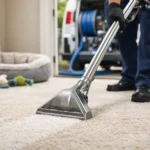
If your ducts appear dirty, start by checking the filter, looking for moisture or pest evidence, and considering recent events in the house. A remodeling project, a move, or a long period without HVAC maintenance gives you more reason to schedule an inspection. For families with carpeting, regular deep cleaning can also reduce the dust and dander that settle into fibers before those particles are stirred back into the air.
Should You Clean Air Ducts Every Year?
Not necessarily. Annual duct cleaning is not required for every home. The right interval depends on pets, household allergies, renovations, filter maintenance, system condition, and whether there are specific signs of contamination. Regular HVAC servicing and filter changes are often more frequent needs than full duct cleaning.
Can Duct Cleaning Help With Pet Allergies?
It may reduce some settled pet hair and dander in the duct system, but it cannot eliminate pet allergens from a home where pets live. Consistent grooming, vacuuming, upholstery cleaning, washable covers, and proper HVAC filtration remain part of the plan.
Is Dust Around Vents a Sign of Mold?
Usually, no. Dust around a register is common and may be caused by normal airflow and static buildup. Mold is more likely to be associated with a musty odor, moisture, discoloration that returns after cleaning, or a confirmed water issue. When in doubt, have the source evaluated rather than treating every dark mark as mold.
A cleaner HVAC system is most valuable when it is part of steady home care, not a quick fix for every allergy concern. If dust, odors, or visible debris are raising questions in your home, a straightforward inspection can help you decide whether air duct cleaning is the practical next step.