






A carpet rarely looks truly dirty all at once. It happens a little at a time – traffic lanes darken, fibers flatten, spills leave a shadow, and the whole room starts to feel less fresh than it should. A good residential carpet cleaning guide helps you catch those changes early, choose the right cleaning method, and protect one of the hardest-working surfaces in your home.
For most homeowners, the goal is not just appearance. Clean carpet affects comfort, indoor freshness, and how long your flooring lasts. If you have children playing on the floor, pets tracking in debris, or guests coming through often, your carpet collects more than visible dirt. Dust, oils, allergens, and residue settle deep into the pile, and standard vacuuming only goes so far.
What a residential carpet cleaning guide should actually help you decide
Many articles treat carpet cleaning as a simple choice between doing it yourself and hiring a professional. In real homes, it is usually more nuanced than that. The right approach depends on your carpet age, fiber type, household traffic, pets, allergies, and whether you are dealing with maintenance cleaning or a specific problem like stains or odor.
Routine upkeep is one category. Restoring a carpet that already looks worn is another. Then there are practical situations such as move-outs, preparing a home for sale, or freshening up rooms after a renovation project. The method that makes sense for one of those needs may not be the best fit for another.
The biggest mistake homeowners make is waiting until the carpet looks far gone. By then, soil has often settled deep into the backing and fibers, and results can still be strong, but more wear may already be permanent. Regular professional cleaning is usually less about rescue and more about preserving the carpet you paid for.
The difference between surface cleaning and deep cleaning
Vacuuming is essential, but it addresses surface debris more than embedded soil. Spot cleaners can help with fresh spills, but they also leave behind residue if they are overused or not rinsed out properly. That residue attracts more dirt, which is why a spot may seem to come back after a few days.
Deep carpet cleaning is designed to remove what household tools leave behind. This is where method matters. Some approaches rely heavily on shampoo or low-moisture cleaning compounds. Those can have a place in certain commercial settings or for interim maintenance, but in a residence, homeowners usually want a process that flushes out soil rather than pushing it around.
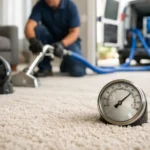
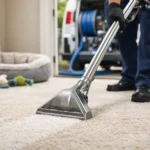
Truck-powered hot water extraction is widely recommended by carpet manufacturers for that reason. It reaches deeper into the carpet, lifts out soil and residues more effectively, and typically leaves the carpet cleaner without the heavy detergent buildup that can shorten the clean appearance. It is also a practical choice for families who want a method that supports a healthier home environment.
Choosing the right professional method
A true residential carpet cleaning guide should explain that not all professional services are equal, even when they use similar words in their marketing. Ask what method is being used, whether the equipment is truck-powered or portable, how much residue is left behind, and what the expected drying time will be.
Drying time matters more than many people realize. Carpets that stay wet too long can feel inconvenient, attract new soil quickly, and create avoidable concerns about odor. A fast-drying process is often the better experience for a busy household because it reduces disruption and lets you get back to normal sooner.
It also helps to ask who will actually be in your home. A company with a consistent crew often delivers a more reliable result than one that sends a different team each time. When the same professionals handle every job, quality control tends to be stronger, communication is simpler, and homeowners know who they are trusting inside the house.
When DIY carpet cleaning makes sense – and when it does not
There is nothing wrong with handling small spots yourself if you do it carefully. Blotting a fresh spill, using the right spot treatment sparingly, and avoiding over-wetting can prevent a minor accident from becoming a long-term stain. For quick maintenance between professional visits, that is often enough.
Rental machines are a different story. They can be useful in a pinch, but they come with trade-offs. Many do not extract water as thoroughly as professional equipment, which means longer drying times. Some leave behind soap residue. Others are simply hard to use correctly, especially on stairs, edges, or heavily soiled areas.
DIY cleaning can also create problems when homeowners scrub too aggressively or use the wrong product for the carpet fiber. That is especially risky with wool, older carpet, or stains that need specialty treatment. If the carpet has pet accidents, widespread dinginess, or lingering odor, professional cleaning is usually the more effective and less frustrating route.
How often carpet should be professionally cleaned
There is no perfect schedule for every household. A low-traffic guest room may need far less attention than a family room used every day. Still, most homes benefit from professional carpet cleaning about every 12 months, and many busy households should consider every 6 to 9 months.
If you have pets, children, allergy concerns, or light-colored carpet, more frequent service often makes sense. The same is true if someone in the home wears shoes indoors regularly or if the carpet is in an entryway, hallway, or basement area that collects more moisture and debris.
For property managers and real estate agents, the timing is often tied to turnover and presentation. Freshly cleaned carpet can improve first impressions, reduce odor concerns, and help a listing or rental feel better cared for. In those cases, the value is not only cleanliness but also readiness.
Common carpet problems and what to expect
Stains are not all the same, and neither are results. Food and drink spots often respond well when treated quickly. Oil-based stains, old pet accidents, dye transfer, and discoloration are more complicated. A trustworthy cleaner should be honest about what can be fully removed and what may only improve.
Traffic lanes are another common concern. Sometimes they are dirty and clean up well. Sometimes they are both dirty and worn, which means cleaning will improve the color but not fully restore the original texture. That distinction matters because homeowners deserve realistic expectations.
Odor also deserves special attention. If a carpet smells musty or carries pet odor, the source may be deeper than the visible surface. In some cases, cleaning helps significantly. In others, pad contamination or subfloor issues are part of the problem. Good service starts with identifying the source rather than masking it.
Preparing your home for carpet cleaning
A little preparation helps the appointment go more smoothly. Light clutter should be removed from the carpeted areas, and fragile items or small personal belongings should be picked up in advance. If there are specific spots or concerns, point them out at the start so they can be evaluated properly.
It also helps to keep pets and children clear of the work area during cleaning. Not because the process is unsafe when done properly, but because a calmer workspace allows the technician to work efficiently and gives your family one less thing to manage.
After cleaning, follow any guidance about drying. Good airflow helps. Limit foot traffic until the carpet is mostly dry, and if protective tabs or blocks are placed under furniture, leave them in place until advised otherwise.
What good carpet cleaning looks like after the job is done
The best result is not always dramatic at first glance. Yes, the carpet should look cleaner, brighter, and more even in color. But you should also notice that it feels fresher underfoot, dries within a reasonable window, and does not have a sticky or crunchy residue afterward.
A professional job should leave your home feeling cared for, not disrupted. That includes clear communication, respect for your space, and a process that matches the needs of your household. For a company like White Knight Carpet Cleaning, that steady, owner-operated approach is part of what turns a service call into peace of mind.
A residential carpet cleaning guide that protects your investment
Carpet replacement is expensive, and neglect shortens the life of flooring faster than many homeowners expect. Regular vacuuming, quick attention to spills, and periodic deep cleaning work together. One does not replace the other.
If your carpet has started to look tired, that does not automatically mean it is time to replace it. Often, it means the fibers need a proper deep cleaning from a method designed to remove what everyday maintenance cannot. Choosing that service carefully can make your home look better, feel cleaner, and stay more comfortable for the people living in it.
The best time to clean a carpet is usually before you are embarrassed by it, because that is when cleaning does the most to preserve what you already have.