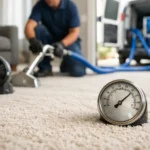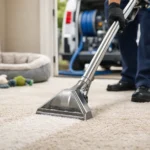







A professional duct cleaning appointment should not require you to turn your house upside down. Still, a little preparation helps the work move efficiently, protects your belongings, and gives the cleaning crew safe access to the areas that matter. If you are wondering how to prepare for duct cleaning, focus on access, communication, and your household’s comfort.
Duct cleaning involves more than a quick look at a vent cover. Technicians may need to access supply and return vents throughout the home, the furnace or air handler, and portions of the duct system near mechanical equipment. Every home is different, so the exact process depends on the layout of your HVAC system, the number of vents, and the condition of the ducts.
Confirm What the Appointment Includes
Before cleaning day, make sure you understand the scope of the service. Ask whether the appointment includes supply ducts, return ducts, vent covers, the main trunk lines, and accessible components around the air handler. It is also helpful to confirm the expected arrival window and estimated length of the visit.
This conversation is a good time to mention anything unusual about your home. Let the crew know if your furnace is in a tight utility closet, the attic has limited access, a vent is behind a large built-in, or you have recently had construction work done. Clear information before arrival helps avoid surprises and allows the crew to bring the right equipment.
If you are a property manager or real estate agent preparing a vacant home, confirm who will provide access and whether electricity and the HVAC system will be available. A cleaning crew cannot properly service a system that is shut off or inaccessible.
Clear Access to Vents and HVAC Equipment
The most useful step you can take to prepare for duct cleaning is to clear a reasonable path to each vent and to the heating and cooling equipment. You do not need to empty every room or move heavy furniture across the house. Simply move lightweight items, rugs, baskets, pet beds, and small tables away from floor registers and return vents.
For vents behind heavier furniture, do what you can safely. If a large sofa or bookcase cannot be moved, tell the technicians when they arrive. They can assess whether the vent can be reached from another angle or whether it should be left alone. Trying to force heavy furniture out of the way can damage floors, walls, or the furniture itself.
Give special attention to the area around the furnace, air handler, or indoor HVAC unit. Remove stored boxes, cleaning supplies, holiday decorations, and other items that block the service area. A clear working space helps technicians inspect the equipment and connect their cleaning tools without unnecessary delays.
Do Not Forget Return Vents
Homeowners often remember the smaller supply vents in bedrooms and living areas but overlook return vents. Returns are usually larger grilles that pull air back toward the HVAC system. They can be located in hallways, ceilings, walls, or common areas.
Because return vents handle a high volume of air, they are an important part of the system. Move furniture and fragile decor away from them whenever possible, and make a quick note of any return that is hard to access.
Protect Fragile Items and Nearby Surfaces
Professional crews work carefully inside customers’ homes, but duct cleaning equipment and hoses need room to move. Put away fragile items near vents, HVAC equipment, and walkways between rooms. This includes low-hanging wall decor, breakable lamps, floor vases, and collectibles on nearby shelves.
If your home has delicate hardwood, freshly painted walls, or other surfaces you are especially concerned about, point them out at the start of the appointment. A responsible crew appreciates knowing what matters most to you. Open communication is one of the simplest ways to protect your home and make sure everyone is on the same page.
You do not need to cover your furniture or seal off rooms unless the company specifically recommends it. Proper duct cleaning methods are designed to contain loosened dust and debris through professional collection equipment. However, removing clutter gives the crew more space to work carefully and reduces the chance of accidental bumps.
Make a Plan for Children and Pets
Duct cleaning can be noisy. Vacuums, brushes, compressed-air tools, and other equipment may startle pets or disrupt young children, particularly during nap time. Plan ahead so the appointment is as comfortable as possible for everyone in the home.
For dogs and cats, a closed room away from the work area is often the easiest solution. Make sure that room does not contain a vent that needs cleaning until the crew has finished nearby work, or tell the technicians that the pet is inside. Some pets do better staying with a family member outside the home for part of the visit.
Young children should be supervised and kept away from equipment, cords, and open vent areas. If you work from home, consider whether calls, meetings, or concentration-heavy tasks need to be scheduled around the noisier portion of the service. A little planning prevents a routine cleaning from becoming a stressful day.
Replace or Have a Plan for the HVAC Filter
Your HVAC filter has a separate job from your ductwork, but the two work together. A clean filter helps capture airborne particles before they circulate through the system. If your filter is overdue for replacement, have the correct size available or plan to replace it after the duct cleaning is complete.
The best filter depends on your system and household needs. Families with pets, allergy concerns, or higher dust levels may choose a different filter than a household without those concerns. Higher-rated filters can capture smaller particles, but an overly restrictive filter may not be right for every HVAC system. When in doubt, follow your equipment manufacturer’s guidance or ask your HVAC professional.
Avoid running the system with no filter in place. That can allow dust and debris to enter sensitive components of the equipment.
Note Concerns You Want the Crew to Inspect
A duct cleaning visit is a good opportunity to bring up patterns you have noticed around the house. You may have one room that seems dustier than the rest, a vent with unusually weak airflow, a musty smell when the system starts, or visible buildup around a grille.
These concerns do not always point to dirty ducts. Weak airflow, for example, could be related to a closed damper, a blocked register, an HVAC maintenance issue, or duct damage that requires an HVAC technician. Cleaning can remove accumulated dust and debris from accessible ductwork, but it is not a cure-all for every comfort or air-quality concern.
Write down a few observations before the appointment so you do not forget them. The crew can explain what they see, identify whether a concern is within the cleaning scope, and tell you when another type of service may be more appropriate.
Keep the Driveway and Entryway Clear
Many professional duct cleaning teams use powerful equipment and may need to run hoses or carry tools between the truck and the home. If possible, leave space in the driveway or a nearby legal parking area. Clear a path from the entry door to the HVAC equipment and the rooms with vents.
During wet weather, consider having a mat available at the entrance and remove loose outdoor obstacles from walkways. The goal is not perfection. It is simply to make the arrival, setup, and cleanup safer for everyone.
What You Do Not Need to Do Before Duct Cleaning
Homeowners sometimes feel they must dust every vent, vacuum the house, or remove each grille before the crew arrives. In most cases, that is unnecessary. The technician should handle the cleaning process and explain any needed access.
There is also no need to use scented sprays, deodorizing products, or DIY chemicals inside vents before the appointment. These products can leave residue, mask an underlying issue, or create odors that make it harder to identify the source of a problem. If you suspect mold, pest activity, water damage, or a strong persistent odor, mention it before the visit so the company can advise you appropriately.
A Comfortable, Well-Prepared Visit
A clean, accessible work area allows the crew to spend more time on the duct system and less time navigating around household obstacles. That benefits homeowners, tenants, and busy property professionals alike. For Montgomery County households, White Knight Carpet Cleaning approaches every home with the same care and personal accountability that comes from one consistent crew.
Before the appointment, clear the vents you can reach, make room around your HVAC equipment, secure pets, and share any concerns you have noticed. Then let the professionals handle the work while you enjoy the peace of mind that comes with a cleaner, more comfortable home.