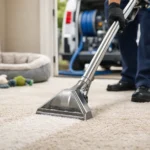







A clean floor changes how a home feels the moment you walk in. It also does more than improve appearance. Thoughtful floor care protects the materials underfoot, reduces the dirt tracked through living areas, and helps carpets, hardwood, and tile last longer. The right approach is not the same for every surface, especially in busy homes with children, pets, guests, or frequent outdoor activity.
Floor Care Starts With the Surface You Have
Carpet, hardwood, and tile collect soil differently, so they need different cleaning habits. A method that works well for one can cause problems for another. The goal is not to use the strongest cleaner available. It is to remove soil effectively without leaving behind residue, excess moisture, or damage.
Carpet needs regular soil removal and periodic deep cleaning
Carpet fibers hold dry soil long before a room looks dirty. Sand, pollen, pet dander, food crumbs, and small particles settle into the pile, where they can act like grit as people walk across the room. Regular vacuuming is the first line of defense, particularly in entryways, hallways, family rooms, and around pet beds.
For most households, vacuuming high-traffic areas two or three times a week makes a noticeable difference. A quality vacuum with good suction and a clean filter matters more than repeated quick passes with a machine that is not picking up soil. Address spills promptly by blotting with a clean white cloth. Rubbing can spread the spill and work it farther into the fibers.
Even well-maintained carpet benefits from professional cleaning. Truck-powered hot water extraction reaches beyond the surface to flush out embedded soil and residues. When performed properly, it is an effective deep-cleaning method that supports the carpet manufacturer’s recommendations while allowing carpets to dry relatively quickly. The timing depends on household activity, pets, allergies, and carpet color, but many homes benefit from professional cleaning every 12 to 18 months. Homes with active children or pets may need it sooner.
Hardwood requires moisture control
Hardwood floors are durable, but standing moisture is not their friend. A dripping mop, a steam cleaner used too aggressively, or water left near a doorway can contribute to cupping, dullness, gaps, or finish damage. Sweep or vacuum with a hard-floor setting frequently so grit does not scratch the surface under shoes and furniture.
Use a lightly damp microfiber mop and a cleaner approved for your floor’s finish. The mop should be damp, not wet enough to leave water behind. Avoid using waxes, oil soaps, or all-purpose products unless the flooring manufacturer specifically recommends them. These products can leave a film that makes future cleaning or refinishing more difficult.
Protective pads under furniture, mats at exterior doors, and quick attention to pet accidents go a long way. If the finish looks cloudy or worn in traffic lanes, a professional assessment can help determine whether the floor needs specialized cleaning, a maintenance coat, or refinishing. Those are different services, and choosing the wrong one can add unnecessary cost.
Tile looks simple, but grout needs attention
Tile itself is generally easy to maintain, but grout is porous and can trap soil, spills, and moisture. Kitchen floors may collect cooking residue, while bathroom grout is more likely to show soap film and moisture-related discoloration. Mopping removes surface dirt, but it may not clean deeply into textured grout lines.
Use a pH-appropriate cleaner and avoid harsh products that can etch natural stone or weaken grout over time. A soft brush can help with a small stained area, but aggressive scrubbing across an entire floor is time-consuming and may not produce even results. Professional tile and grout cleaning is often the better choice when floors look dull despite regular mopping or when grout has darkened in paths and around fixtures.
A Practical Floor Care Routine for Busy Homes
Consistency is more useful than occasional intensive cleaning. A simple routine keeps soil from building up and makes professional service more effective when it is time for a deeper clean.
Daily habits prevent most wear
Use indoor and outdoor mats at entrances, and encourage family members and visitors to wipe their shoes before coming inside. In homes where shoes stay on, entry mats are especially valuable because they catch the grit that can scratch hardwood, wear carpet fibers, and settle into grout.
Clean up spills as they happen. On carpet, blot from the outside of the spill toward the center. On hardwood, wipe moisture immediately and dry the area. On tile, remove sticky residue before it has time to collect more dirt. These small actions take minutes and can prevent a stain or a damaged finish.
Weekly cleaning keeps soil from settling in
Vacuum carpeted areas, rugs, and hard floors at least once a week, increasing frequency in active rooms. Follow with a dry dust mop or microfiber tool on hardwood and tile. Damp-mop hard surfaces only when needed, using as little moisture as the floor requires.
Pay attention to the overlooked areas: beneath dining chairs, along baseboards, behind doors, and in the narrow strip inside exterior entrances. These spaces often show where dirt is entering the home or where a cleaning routine needs an adjustment.
Seasonal checks protect your investment
Every few months, move lightweight furniture and inspect the floor beneath it. Look for carpet matting, pet-related staining, loose transition strips, water marks near doors, or grout that is becoming discolored. Rotating area rugs and checking furniture pads can also prevent uneven fading and dents.
This is a good time to evaluate your vacuum, mop heads, and cleaning products. Dirty filters, worn vacuum brushes, and old mop pads can redistribute soil instead of removing it. More product is rarely the answer. Overusing cleaner can leave a residue that attracts dirt, particularly on tile and hardwood.
When Professional Floor Care Is Worth It
Some floor problems respond well to routine home maintenance. Others need professional equipment, the right cleaning solutions, and experience with the material involved. Carpet that looks gray in walkways, smells musty, has recurring spots, or feels stiff after DIY cleaning is a good candidate for professional service. So is tile with grout that remains dark after normal cleaning.
Professional cleaning is also useful before hosting family, after a renovation, at the end of a lease, or when preparing a property for sale. For real estate agents and property managers, clean floors help a listing or rental show its best without delaying the next step. Fast-drying carpet cleaning can be particularly helpful when a home needs to be market-ready on a practical timeline.
It is worth asking how a company cleans each surface, not simply whether it offers the service. Carpet benefits from a deep extraction method that removes soil without soaking the backing. Hardwood needs careful, low-moisture treatment appropriate to its finish. Tile and grout may require specialized equipment to lift embedded soil rather than cover it with a temporary shine.
A consistent, owner-operated crew also matters when inviting a cleaning professional into your home. You should know who is doing the work, be able to ask questions, and feel confident that the person cleaning your floors is accountable for the result. White Knight Carpet Cleaning has served local homes since 1982 with that personal approach.
Common Floor Care Questions
Can I rent a carpet cleaner instead of hiring a professional?
Rental machines can help with a small, fresh spill, but they often do not have the extraction power of truck-mounted equipment. They may also leave too much moisture or detergent behind if used improperly. For widespread traffic soil, odor concerns, or a full-home cleaning, professional hot water extraction is usually the more thorough choice.
Are steam mops safe for hardwood floors?
It depends on the floor manufacturer and finish, but many hardwood floor manufacturers advise against steam. Steam can force moisture into seams and may affect the finish over time. A microfiber mop used with minimal moisture is generally the safer everyday option.
Why do carpet spots come back after cleaning?
A returning spot may be caused by residue left in the carpet, soil wicking up from lower fibers as the area dries, or a spill that reached the backing or padding. Avoid adding more product repeatedly. Blot the area, allow it to dry, and have a professional evaluate persistent spots.
Floors do a lot of quiet work for a home. Give them a routine that fits their material, address spills before they settle in, and bring in experienced help when everyday cleaning is no longer producing the results you expect.