





A buyer may not comment on the floors during an open house, but they will notice them. Carpet traffic lanes, dull hardwood, sticky tile grout, and pet odors can make an otherwise well-kept home feel harder to maintain. Clean floors do more than improve the photos. They help buyers see the space as cared for from the moment they walk in.
For homeowners, agents, and property managers, floor cleaning before open house preparation is one of the most practical ways to improve a home’s presentation without taking on a major renovation. The right approach depends on the floor type, its condition, and how soon people will be walking through the door.
Why floors carry so much weight with buyers
Floors cover nearly every room, so they set the visual baseline for the entire property. A bright kitchen can still feel neglected if the tile looks grimy. Fresh paint may not have the same effect if carpeting shows dark pathways from years of foot traffic.
Buyers also tend to interpret visible floor wear as a clue about the rest of the home. That does not mean every older floor needs to be replaced. In many cases, professional cleaning can remove the buildup, soil, and residue that make a surface look more worn than it really is.
There is also a practical reason to clean before showing. Homes often have more foot traffic during listing appointments, inspections, and open houses than usual. Starting with clean floors gives the property its best chance of looking good through those busy days.
Start with an honest look at each surface
Not every floor needs the same level of attention. Walk through the home in daylight if possible, looking from more than one angle. Soil and scratches can be easy to miss when viewed straight on, yet very noticeable near windows or under overhead lighting.
Pay close attention to entryways, hallways, stairs, living rooms, dining areas, and the path between the garage or front door and the kitchen. These are the areas buyers are most likely to walk through, and they are often where soil is most concentrated.
Carpet: address spots, odors, and traffic lanes
Carpet can hold onto tracked-in soil, pet dander, food spills, and odors long after the surface has been vacuumed. Vacuuming is still worthwhile before showings, but it cannot remove deeply embedded debris or rinse away sticky residue left behind by many store-bought spot cleaners.
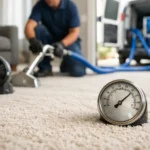
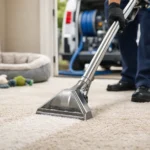
For a home going on the market, professional hot water extraction is often a smart choice for wall-to-wall carpet and area rugs that can be professionally cleaned. Truck-powered hot water extraction flushes out soil and cleaning solution rather than simply working products into the fibers. It is also a manufacturer-recommended method for many carpets.
Timing matters. Schedule carpet cleaning early enough to allow for drying, furniture repositioning, and a final walkthrough. Drying time varies with carpet type, humidity, airflow, and how heavily soiled the carpet was, but professional equipment and good ventilation can help carpets dry much faster than do-it-yourself rental methods.
If a carpet remains permanently stained, heavily worn, or has a strong odor that cleaning cannot resolve, replacement may be the better listing decision. A cleaning professional should be candid about that distinction. The goal is not to promise a brand-new appearance, but to help the carpet look clean, fresh, and properly maintained.
Hardwood: clean gently, not aggressively
Hardwood floors can add real appeal to a listing, especially when they are clean and free of haze. But they need the right treatment. Too much water, harsh chemicals, steam, or an incorrect polish can damage the finish, leave a cloudy film, or create a slippery surface before a showing.
Professional hardwood floor cleaning is designed to lift everyday soil and residue while respecting the finish. This can be especially helpful when floors look dull because of product buildup rather than deep scratches or finish failure.
Cleaning will not repair gouges, warped boards, or areas where the finish has worn away. In those cases, a real estate agent and homeowner may need to decide whether refinishing is worth the time and expense. For many listings, a thorough cleaning and minor touch-up are enough to present the floor honestly and attractively.
Tile and grout: focus on kitchens, baths, and entries
Tile itself may look acceptable while the grout lines tell a different story. Grout collects soil, soap residue, cooking grease, and moisture-related discoloration, particularly in bathrooms, kitchens, mudrooms, and foyers.
Deep tile and grout cleaning can make these spaces look brighter without replacing material that is still structurally sound. It is especially valuable in a bathroom, where buyers often look closely at the shower, floor corners, and grout lines around the toilet and vanity.
Avoid coating dirty grout with sealers or heavy products right before an open house. A clean surface is preferable to one that looks artificially shiny or feels tacky. If grout is cracked or missing, cleaning should be followed by a small repair rather than an attempt to hide the problem.
A practical timeline for floor cleaning before an open house
The best schedule leaves room for normal listing preparation and avoids last-minute stress. If possible, assess the floors two to three weeks before the first open house. This gives you time to determine whether cleaning alone is sufficient or whether repairs, refinishing, or replacement deserve consideration.
Professional carpet, tile, or hardwood cleaning is often best scheduled several days before photography and the first showing. That timing allows surfaces to dry fully, prevents cleaning equipment from conflicting with staging work, and gives the homeowner time to see whether any remaining spots need attention.
The day before an open house, keep maintenance simple. Vacuum carpets slowly, use a dry microfiber mop on hardwood, and wipe up fresh spills promptly. Do not experiment with a new cleaning product at the last minute. A product that leaves residue or dulls a finish can create more work when time is limited.
On the morning of the open house, use clean doormats inside and outside the main entry. If weather is wet, a shoe-cover strategy may be appropriate, but it depends on the agent’s preference and the flow of the showing. The important thing is to reduce new tracked-in soil without making visitors feel uncomfortable.
Do not let fragrance replace real cleaning
Strong fragrances can work against a listing. Buyers may wonder what an overpowering scent is meant to cover up, particularly in homes with pets, carpeting, or older flooring.
A professionally cleaned floor should smell neutral and clean, not heavily perfumed. Open windows briefly when conditions allow, replace air filters if needed, and remove pet beds, litter boxes, and damp towels before showings. These small steps support the work done on the floors and help the entire home feel fresher.
For homes with pets or children, choose cleaning methods and products with their everyday safety in mind. Once floors are dry and the cleaning is complete, the household should be able to return to normal routines without lingering mess or harsh residue.
When professional cleaning is worth the call
Do-it-yourself cleaning can help with light maintenance, but it has limits before a sale. Rental carpet machines may leave excess moisture behind, and the wrong cleaning solution can create rapid resoiling. Hardwood and tile can also be damaged by products that are not suited to their surface or finish.
Professional service is most useful when the home has visible traffic lanes, recurring pet odors, dull hardwood, dirty grout, or a short turnaround before listing. For Montgomery County homeowners, agents, and property managers, White Knight Carpet Cleaning provides the consistency of an owner-operated crew and professional equipment suited to market-ready cleaning.
A clean floor will not make a home perfect, and it should not be used to disguise needed repairs. What it can do is remove the unnecessary distractions that keep buyers from noticing the home’s light, layout, and potential. Give visitors a clean path through the house, and let the rooms speak for themselves.