






A new lease begins long before the tenant carries in the first box. The condition of the home on move-in day shapes first impressions, sets expectations for care, and can prevent costly disagreements when the lease ends. This landlord move in guide focuses on the practical work that protects a rental property while giving a new resident a clean, comfortable place to call home.
For property managers and independent landlords, the goal is not simply to turn a unit quickly. It is to make sure the home is safe, documented, fully functional, and professionally presented. A well-prepared move-in gives tenants fewer reasons to call with urgent issues during their first week and provides clear evidence of the property’s starting condition.
Start Preparing Before the Prior Tenant Leaves
The smoothest turnovers begin before the old lease is over. If your lease and local requirements allow it, schedule a pre-move-out walkthrough with the outgoing tenant. This gives everyone a chance to discuss what needs to be removed, cleaned, or repaired before keys are returned.
Use this walkthrough to identify maintenance that may take time to schedule. A dripping toilet, damaged window screen, loose handrail, worn carpet seam, or slow-draining sink can be much easier to address while the unit is still occupied than during a rushed turnover. Take notes and photos, but avoid making final deposit decisions on the spot. Final condition should be assessed after the tenant has fully moved out and returned possession of the property.
Build a realistic turnover schedule. Repairs, painting, floor care, cleaning, appliance checks, and utility transfers often overlap. Trying to complete all of it in a single day can result in missed details. If a unit is being marketed for an immediate move-in, prioritize safety and habitability first, then focus on presentation and deep cleaning.
Landlord Move In Guide: Inspect Room by Room
A room-by-room inspection is more dependable than a quick walk through the home. Bring a checklist, a flashlight, a phone or camera, and enough time to test the things tenants use every day. Start outside, then move through the property in the same order each time.
At the exterior, check walkways, steps, railings, exterior lights, locks, screens, gutters visible from the ground, and the condition of any private patio, deck, or storage area. Make sure house numbers are visible and that the tenant knows which parking spaces, trash areas, and shared spaces are included.
Inside, test doors, locks, windows, blinds, lights, outlets, smoke alarms, carbon monoxide alarms where required, heating and cooling controls, exhaust fans, and water flow. Run every faucet long enough to spot drainage problems. Flush toilets, inspect around supply lines, and look under sinks for moisture. In the kitchen, test appliances and confirm that shelves, drawers, filters, and garbage disposal areas are clean and functioning.
Document the condition of walls, ceilings, flooring, cabinets, counters, appliances, fixtures, and windows. Photos should be well-lit and specific. A wide photo of a room is useful, but close-up photos of existing marks, chips, stains, or wear are what help later if questions arise. Date-stamped digital files and a written checklist make a stronger record than memory alone.
Treat Cleaning as Part of Property Protection
A rental does not need to look brand new to be move-in ready. It does need to be clean enough that a tenant can reasonably unpack, cook, bathe, and live there without addressing someone else’s dirt, odors, or buildup.
Deep cleaning should cover more than visible surfaces. Kitchens need attention around appliances, inside cabinets and drawers, on backsplash areas, and along baseboards. Bathrooms should be cleaned and checked for mildew, mineral buildup, and failing caulk. Dust on vents, fan covers, window tracks, and blinds can make an otherwise clean home feel neglected.
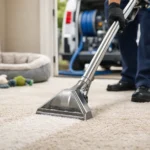
Floors deserve special attention because they carry the most visible signs of previous occupancy. Vacuuming alone may not remove tracked-in soil, pet-related odors, spills, or residue left by rental-grade cleaning products. Professional truck-powered hot water extraction can help lift deep soil from carpet while supporting faster drying times than many portable methods. That matters during a turnover, when you need the floor clean without holding up painting, inspections, or a tenant’s scheduled move.
Not every carpet needs the same treatment. A lightly used unit may only need targeted cleaning, while a home with pets, children, or a long tenancy may require more thorough attention. The key is to assess the actual condition rather than treating carpet cleaning as a box to check. Clean, odor-free flooring helps protect the property’s appearance and gives tenants a fair starting point for their own care.
Hardwood, tile, and grout also benefit from appropriate professional cleaning. Harsh products or excessive water can damage certain surfaces, especially older wood floors and unsealed grout. When in doubt, choose methods suited to the material instead of using a one-size-fits-all cleaner.
Give Tenants Clear Records and Useful Information
A move-in condition report should be completed with the tenant, or provided with clear instructions for reviewing and returning it within the period allowed by your lease and applicable law. Encourage tenants to report existing issues promptly and attach their own photos if needed. This is not an accusation or a way to shift responsibility. It is a shared record that protects both sides.
The move-in packet should also answer practical questions that tend to come up during the first few days. Include instructions for keys, garage remotes, mailbox access, trash collection, parking, utility responsibilities, emergency contacts, maintenance requests, and any building or community rules.
Keep the language simple. Tenants need to know whom to call if a pipe leaks at night, what counts as an emergency, and how to submit non-urgent maintenance requests. They should also know basic care expectations, such as using bathroom exhaust fans, replacing HVAC filters when required by the lease, and reporting water issues early. A small leak is usually a simple repair. A leak left unreported can become damaged flooring, mold concerns, and an expensive vacancy.
Handle Safety, Compliance, and Fairness Carefully
Move-in preparation has legal and safety dimensions that vary by property type and jurisdiction. Maryland landlords should make sure their procedures reflect current state and local requirements, including any rules that apply to lead paint, security deposits, smoke alarms, rental licensing, and inspections. A local attorney or qualified property management professional can help confirm the requirements for a specific property.
From a practical standpoint, do not overlook basics just because a unit looks clean. Confirm that required alarms work, locks operate properly, handrails are secure, and obvious trip hazards have been addressed. If repairs cannot be completed before move-in, communicate clearly in writing about what will be done, who will perform the work, and when access is needed. Vague promises create frustration quickly.
Fairness matters in the inspection process as well. Normal wear is not the same as damage, and tenants are more likely to trust a landlord who keeps accurate records and applies standards consistently. A clean, documented property at move-in makes that consistency much easier at move-out.
Avoid the Turnover Shortcuts That Cause Problems
The fastest-looking solution is often the most expensive one later. Painting over an odor, skipping carpet cleaning because stains are not obvious, or handing over keys before testing appliances may save a few hours now but can create service calls, complaints, and poor tenant relationships.
Another common mistake is failing to leave enough drying time after floor cleaning. Carpets should be clean and dry enough for normal move-in use, especially when tenants will be placing boxes and furniture immediately. Schedule professional cleaning early in the turnover whenever possible, and keep airflow moving as recommended.
White Knight Carpet Cleaning has served Maryland homes and rental properties since 1982, with one consistent owner-operated crew focused on careful, dependable work. For landlords, that kind of consistency can be especially helpful when a property needs to be ready on schedule without sacrificing the details that tenants notice.
A move-in day cannot guarantee that a tenancy will be effortless. It can, however, begin with a home that is clean, safe, well-documented, and clearly cared for. That first standard often becomes the one tenants are most willing to uphold.