






A carpet can look fine at breakfast and show every footprint, crumb, and pet hair by dinner. Knowing how to maintain clean carpets is less about constantly cleaning and more about stopping soil from becoming embedded in the fibers. A few consistent habits protect the appearance of your home, help carpets last longer, and make professional cleanings more effective when the time comes.
How to Maintain Clean Carpets Every Day
The most effective carpet care starts at the door. Much of the soil found in carpet is tracked in from outside, especially during wet Maryland weather, yard work, or a busy week of children, guests, and pets coming through the house.
Place a durable mat outside each main entrance and another washable mat just inside. Encourage family members and visitors to remove shoes when practical. This one change can make a noticeable difference in high-traffic areas such as entryways, hallways, stairs, and family rooms.
Vacuuming is the next essential habit. Dirt that sits on carpet does not always look dramatic, but it can work its way down into the pile. Over time, those tiny abrasive particles can dull fibers and create the worn, gray appearance often seen in traffic lanes.
Most households benefit from vacuuming busy areas two or three times per week and less-used rooms once a week. Homes with shedding pets, young children, or allergy concerns may need more frequent vacuuming. Move slowly enough for the vacuum to pull up dry soil, and make a few passes in different directions. A quick pass is better than nothing, but a careful pass delivers much better results.
Keep the vacuum working properly by emptying the canister or replacing the bag before it is full. Check the brush roll for hair and threads, and replace worn belts or filters as recommended by the manufacturer. A poorly maintained vacuum leaves behind the very soil you are trying to remove.
Treat Spills Before They Become Stains
The first few minutes after a spill matter. Coffee, juice, red wine, pet accidents, cooking grease, and colored sports drinks can all become harder to remove once they dry or are rubbed deeper into the carpet.
Start by lifting up as much of the spill as possible. Use a clean white cloth or plain paper towels and blot from the outside edge toward the center. Press down firmly, then switch to a dry section of the cloth as it absorbs moisture. Avoid scrubbing. Scrubbing can spread the spill, distort the carpet pile, and push the material farther into the backing.
For many fresh, water-based spills, a small amount of cool water followed by more blotting is enough to prevent a stain. Use only enough water to dampen the area. Soaking the carpet can lead to slow drying, odor, or a stain that returns as residue rises from below the surface.
Be cautious with store-bought spot removers. Some products leave a sticky residue that attracts dirt, while others can affect color if used incorrectly. Always test a product in an inconspicuous area first, follow the label directions, and do not mix cleaning products. If a spill is large, oily, deeply colored, or has already dried, professional treatment is usually the safer choice.
Pet Accidents Need More Than Surface Cleaning
Pet accidents require prompt attention because the visible spot may be smaller than the affected area below it. Blot up moisture first, then use a cleaner specifically made for pet stains and odors. Avoid products that simply cover the odor. If the odor remains, a pet may return to the same spot.
Repeated accidents, strong odor, or stains that keep reappearing can indicate contamination in the carpet backing or padding. In those cases, surface spot treatment may not solve the problem. A professional can evaluate the area and recommend the appropriate treatment without guessing.
Protect High-Traffic Areas From Wear
Not every part of a carpet receives the same use. The path from the front door to the kitchen, the space in front of the sofa, and the hallway outside bedrooms often need more attention than a formal living room.
Use runners or area rugs in the busiest routes, provided they are safe and have appropriate backing for your carpet type. Rotate furniture and rugs occasionally so sunlight and foot traffic do not create uneven fading or wear patterns. If you have a favorite chair or a child who always sits in the same spot, vacuum that area more often than the rest of the room.
Furniture can also leave dents in carpet. For minor impressions, place a few ice cubes in the dent and allow them to melt slowly. Once the area is nearly dry, gently lift the fibers with your fingers or a soft brush. Results depend on the carpet style and how long the furniture has been in place, but this can improve many fresh indentations.
Keep Soil From Traveling Through the House
Clean carpets are easier to keep clean when the rest of the home is managed with the same practical approach. Sweep hard floors near exterior doors so grit is not carried onto carpet. Wipe pet paws after rainy walks. Keep food and drinks in designated areas when possible, especially in carpeted bedrooms and entertainment spaces.
A good indoor humidity level also helps. Excess humidity can make carpets feel damp and may contribute to musty odors, while very dry conditions can increase static and make dust more noticeable. If a room has a recurring damp smell, investigate the source rather than masking it with fragrance. A carpet should not remain wet for long after a spill or cleaning.
For households with allergies, regular dusting and changing HVAC filters can reduce the amount of airborne dust that eventually settles into carpet. Carpet acts as a filter for the home, holding onto particles until they are vacuumed or professionally removed. That is useful only when the carpet is maintained consistently.
Know When a Deep Cleaning Is Due
Vacuuming and spot care are essential, but they cannot remove all the soil, oils, and residues that settle below the surface. Professional cleaning is part of a sensible carpet maintenance plan, not something reserved only for visible stains.
For many homes, professional carpet cleaning every 12 to 18 months is a reasonable guideline. Families with pets, children, frequent guests, allergies, light-colored carpet, or heavy foot traffic may benefit from cleaning every 6 to 12 months. The right schedule depends on how the room is used, the carpet style, and whether spots or traffic lanes are becoming noticeable.
A carpet may need attention even if it does not look especially dirty. Watch for matted fibers, a dull appearance in walkways, lingering odors, recurring spots, or a feeling that the carpet is not as fresh as it should be. Waiting until the carpet looks severely soiled often makes restoration more difficult.
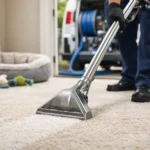
Truck-powered hot water extraction is widely recommended by carpet manufacturers because it reaches deeper than surface cleaning methods. When performed correctly, it removes embedded soil while using powerful extraction to help carpets dry quickly. White Knight Carpet Cleaning has used this practical approach to care for local homes since 1982, with one consistent crew accountable for the work inside each home.
Avoid the Overcleaning Trap
More cleaning is not always better. Renting a machine or repeatedly applying cleaning solution can leave residue behind if the carpet is not thoroughly rinsed and extracted. Overwetting is another risk, particularly when a machine lacks strong extraction power or when too much solution is used.
If you choose to rent equipment between professional visits, use minimal detergent, follow the machine directions closely, and allow plenty of airflow for drying. Do not put furniture back on damp carpet. Still, rental equipment is best viewed as an occasional response to a specific need, not a replacement for regular professional deep cleaning.
A Practical Routine for a Cleaner Home
The most reliable routine is simple: stop dirt at the door, vacuum before soil settles in, blot spills immediately, and schedule deep cleaning before traffic lanes become permanent-looking. This approach is manageable for busy homeowners because it focuses attention where it has the greatest effect.
For real estate agents and property managers, the same principle applies with a tighter timeline. Carpets should be assessed before listing photos, move-ins, or turnover inspections, not after odors and traffic patterns become a distraction. Clean carpet supports a better first impression and helps a property feel cared for from the moment someone walks in.
Your carpet does not need to look brand-new every day to be well maintained. It needs regular attention, quick care when life happens, and the right professional help before everyday use turns into lasting wear.