






A dropped juice cup on the way to the kitchen. Muddy shoes after a rainy Maryland afternoon. A pet that decides the living room is the best place to nap after a walk. These are ordinary parts of family life, and they are exactly why many homeowners ask about family friendly carpet protectors after having their carpets cleaned.
A carpet protector can make everyday spills easier to manage, but it is not a force field. The right product and proper application give you valuable time to blot a spill before it soaks into the fibers. That can mean fewer permanent stains, less wear in high-use rooms, and a better-looking carpet between professional cleanings.
What a Carpet Protector Actually Does
Professional carpet protectors are applied to clean carpet fibers after cleaning. Once dry, the treatment helps reduce how quickly water-based spills, oils, and dry soil attach to the carpet. Instead of immediately penetrating the fibers, many spills remain closer to the surface for a short time.
That extra time matters. If a child spills fruit punch and you can blot it promptly with a clean white towel, a protector may help prevent the color from becoming a lasting stain. It also helps dry soil release more easily during routine vacuuming, which is useful in hallways, family rooms, stairs, and other places that see constant traffic.
The word to remember is resistance, not prevention. A protector does not make carpet stain-proof. Hot liquids, dark dyes, pet accidents, oily foods, ink, and spills left unattended can still cause staining or odor problems. It is a practical layer of help, not a reason to delay cleanup.
Why Family Friendly Carpet Protectors Need Careful Selection
For a household with children and pets, “family friendly” should mean more than a nice label. It should mean choosing a treatment intended for residential carpet, having it applied according to the manufacturer’s directions, and allowing the carpet to dry fully before normal use.
Ask your cleaning professional what type of protector is being used and whether it is appropriate for your carpet. Different fibers respond differently. Nylon carpet often benefits from professional protectant, while wool, natural-fiber rugs, and specialty carpets may require a different approach or should be treated only with products approved for that material.
It also makes sense to ask about drying time and re-entry instructions. A properly cleaned and treated carpet should not leave a sticky residue or strong lingering odor. Good ventilation and normal airflow can help the carpet dry efficiently. Children and pets should stay off treated areas until they are completely dry, both to protect the finish and to keep damp fibers from tracking soil.
For homeowners concerned about ingredients, the best approach is a direct conversation. Product formulations and manufacturer recommendations change over time. A reputable professional can explain the product being used, provide appropriate safety information when requested, and avoid making broad claims that are not supported by the manufacturer.
Professional application makes a difference
Carpet protector is most effective when it is applied evenly to freshly cleaned carpet. If soil, detergent residue, or old spills remain in the fibers, the treatment cannot perform as intended. Overapplying can also leave a carpet feeling stiff or attract dirt, which is the opposite of what a family wants.
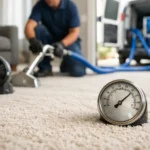
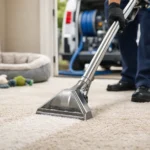
This is one reason professional hot water extraction and protector application work well together. Truck-powered hot water extraction removes embedded soil and cleaning residue before the treatment is applied. With proper airflow, carpets can dry relatively quickly, allowing the protectant to set without creating a long disruption to the household.
Where Carpet Protection Delivers the Most Value
Not every room has the same needs. A formal guest room with very little traffic may not need a protector as urgently as the carpet outside a child’s bedroom or the stairs everyone uses several times a day.
Consider protection in areas where spills and tracked-in soil are common: family rooms, dining areas, hallways, stairs, playrooms, bedrooms used by children, and entryways that do not have hard flooring. Homes with pets may also benefit from treating the areas where pets sleep, play, or come in from outside.
For a property manager or real estate agent, protector can be a sensible choice in rental homes or listings with newer carpet. It helps preserve the appearance of a clean carpet during showings, move-ins, and the normal wear that follows. Still, it should be viewed as part of a maintenance plan, not a substitute for tenant expectations, entry mats, or timely spot cleaning.
How to Get the Best Results After Treatment
The care routine after application is simple, but consistency matters. Vacuum regularly using a vacuum that is appropriate for your carpet type. Dry soil is abrasive, and allowing it to build up can dull fibers and wear down the protection over time.
When a spill happens, act calmly and quickly. Blot – do not scrub – with a clean white cloth or paper towel. Start at the outside edge of the spill and work toward the center so it does not spread. Use small amounts of water when appropriate, and avoid soaking the carpet.
Be cautious with store-bought spot removers. Some leave residue that attracts more dirt, while others can affect color or interfere with future professional cleaning. Avoid using bleach, strong alkaline cleaners, or dish soap on carpet unless the carpet manufacturer specifically approves it. If you are unsure what caused the stain, taking a photo and asking a professional before trying several products can save the carpet from unnecessary damage.
Pet accidents deserve prompt attention as well. Blot up moisture immediately and address the affected area fully, including the backing and pad if odor persists. Surface cleaning alone may not resolve a urine odor that has reached beneath the carpet fibers. A protector can help with liquid resistance, but it cannot stop odor-causing material from becoming a deeper issue when an accident sits too long.
When to Reapply Carpet Protector
Carpet protection gradually wears away through foot traffic, vacuuming, cleaning, and repeated spot treatment. There is no single schedule that fits every home. A low-traffic bedroom may hold protection longer than a busy family room with children, pets, and frequent visitors.
For many active households, reapplication after professional cleaning is a reasonable plan for the rooms that get the most use. If water no longer beads briefly on the carpet surface or spills seem to absorb right away, the existing protection may have diminished. That is a helpful sign to discuss options at your next cleaning appointment.
Keep in mind that new carpet may come with factory-applied protection. Check your carpet warranty and care guidance before using any cleaning products or treatments. Some manufacturers have specific requirements for maintaining warranty coverage, especially for stain removal and professional cleaning methods.
A Better Choice Than Covering the Carpet
Families sometimes rely on plastic runners, throw rugs, or “no food in the living room” rules to protect carpet. Those measures can help in certain situations, but they are not always practical. Plastic runners can look temporary and may create a slipping concern if they shift. Area rugs can trap dirt underneath if they are not lifted and cleaned regularly.
A professionally applied protector keeps the carpet usable as carpet. Your family can enjoy the room without treating every meal, craft project, or rainy day like an emergency. The trade-off is that it requires realistic expectations and basic care. Spills still need attention, and carpets still need regular cleaning.
For Montgomery County homeowners who want a clean home without adding another complicated chore, a protector applied after thorough carpet cleaning can be a sensible investment. White Knight Carpet Cleaning treats each home with the care that comes from sending the same accountable crew to every job.
The most useful carpet protection is the kind that supports real life: clean it well, treat the areas that work hardest, let it dry completely, and keep a white towel nearby for the spills no family can fully plan for.