





A rental does not become move-in ready when the previous tenant carries out the last box. It becomes ready when every room has been inspected, cleaned, and reset for the next resident. This rental turnover cleaning checklist helps property managers, landlords, and real estate professionals work through the details that affect first impressions, lease compliance, and the long-term condition of the property.
A good turnover clean is not just about making a home look presentable. It is a chance to spot maintenance concerns, remove lingering odors, protect floors and fixtures, and give the next tenant confidence that the home has been cared for. The order matters, too. Cleaning from the top down and from dry tasks to wet tasks keeps work from being repeated.
Start With a Walk-Through and Documentation
Before bringing in cleaning supplies, walk the empty property room by room. Take dated photos and compare the home with the move-in inspection report. This separates normal wear from damage that may need repair, replacement, or further evaluation.
Look closely at walls, trim, doors, window coverings, cabinets, appliances, flooring, vents, and plumbing fixtures. Test lights, switches, exhaust fans, smoke detectors, faucets, toilets, and appliances while the unit is vacant. A cleaning appointment can reveal issues that are easy to miss when a home is furnished, such as a stained carpet edge, a cracked tile, or buildup around a bathroom fan.
Handle repairs before final cleaning whenever possible. Painters, handymen, and maintenance crews can leave behind dust, footprints, and debris. If the schedule requires cleaning before repairs are complete, plan for a final touch-up visit.
Rental Turnover Cleaning Checklist by Area
Use this checklist as a practical working document. The condition of the property, the length of the prior tenancy, and the lease terms will determine how much work is needed.
Whole Home
Begin by removing all remaining belongings and trash, including items in closets, cabinets, the garage, and outdoor areas. Then work through the home systematically:
- Dust ceiling fans, light fixtures, vents, blinds, window sills, baseboards, doors, and trim.
- Wipe walls where needed, paying special attention to fingerprints around switches, door frames, and hallways.
- Clean interior windows and glass doors, including tracks and screens when they are part of the turnover scope.
- Replace burned-out bulbs and dead smoke detector batteries, and confirm that required safety devices operate properly.
- Vacuum closets, shelves, drawers, and hard-to-reach corners before cleaning floors.
- Remove cobwebs from ceilings, porches, garages, storage areas, and exterior entryways.
Odor deserves special attention. Air fresheners may briefly cover a problem, but they do not remove the source. Check trash areas, refrigerators, carpets, pet locations, drains, and air vents. Persistent odor can require deeper carpet treatment, drain cleaning, or a maintenance inspection.
Kitchen
The kitchen often takes the longest because grease and food residue build up in places tenants rarely see. Empty every cabinet and drawer, then wipe inside and out. Do not overlook handles, hinges, drawer tracks, and the area above upper cabinets.
Clean the refrigerator thoroughly, including shelves, bins, gaskets, and the space beneath and behind it if accessible. Defrost the freezer when needed. The oven, cooktop, microwave, range hood, and dishwasher should be cleaned inside and out. Degrease the hood filter according to the manufacturer’s instructions.
Finish by scrubbing the sink, faucet, disposal splash guard, countertops, backsplash, and floor edges. Run water to check for slow drains or leaks under the sink. A sparkling countertop means little if the new tenant finds a drip the first evening.
Bathrooms
Bathrooms need both a visual clean and a sanitation-focused clean. Remove hair and debris from drawers, cabinets, drains, and exhaust fan covers. Clean the toilet inside and out, including the base, hinges, and surrounding floor. Scrub the tub, shower walls, glass, faucet handles, and grout lines.
Mineral deposits are common in Montgomery County homes and can make fixtures appear worn before their time. Use the right product for the surface rather than an abrasive cleaner that can scratch chrome, acrylic, natural stone, or glass. If grout is cracked, caulk is failing, or mildew returns quickly after cleaning, the issue may be moisture or ventilation rather than housekeeping.
Bedrooms, Living Areas, and Closets
In living spaces, focus on touchpoints and surfaces that show wear. Wipe door handles, switches, thermostat covers, mantels, shelving, and built-ins. Clean fireplace areas only when the fireplace type and service requirements allow it.
Closets should be empty, dust-free, and easy to inspect. Vacuum or clean the floor, wipe shelving and rods, and check for loose hardware or signs of pests. In bedrooms, look under windows and around exterior walls for stains or moisture concerns that could indicate a larger issue.
Floors and Air Quality Details
Floors strongly influence how clean a rental feels. Vacuum carpeting slowly and thoroughly before deciding whether spot treatment is enough. Carpet that has traffic lanes, pet odor, visible staining, or embedded soil usually benefits from professional deep cleaning between tenants.
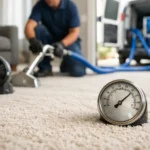
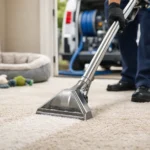
Truck-powered hot water extraction is especially useful for a turnover because it removes soil from below the carpet surface rather than simply improving the appearance at the top. When performed correctly, it is a manufacturer-recommended method that helps carpets dry quickly and presents the home at its best for showings or move-in day. White Knight Carpet Cleaning has served local homes and rental properties since 1982 with one consistent, owner-operated crew on every job.
For hardwood, tile, laminate, and vinyl, use products that fit the flooring material. Excess water is not a shortcut, particularly on hardwood and laminate. Clean along edges and under appliances where possible, then inspect for scratches, loose tiles, damaged grout, or finish wear that cleaning alone cannot correct.
Do not ignore return vents, supply registers, and bathroom exhaust covers. Vacuuming visible dust is a useful turnover step, while heavy buildup, noticeable odor, or poor airflow may call for professional air duct cleaning or HVAC service. This is not needed at every turnover, but it can make a meaningful difference after construction work, a long tenancy, or a home with pets.
Finish With Exterior and Final Presentation
A tenant’s first impression begins before the front door opens. Sweep the entry, porch, walkway, garage, balcony, patio, and any assigned storage areas. Remove leaves, cobwebs, old planters, and trash. Check exterior lights, house numbers, mailbox condition, and door hardware.
Inside, make one final pass after the floors have dried. Open cabinets, run faucets, flush toilets, test appliances, and look at surfaces from the doorway of each room. This is when missed fingerprints, cleaning residue, and overlooked debris tend to stand out.
If the property will be shown before move-in, keep the home ventilated without leaving windows unsecured. Avoid heavy fragrances that can concern prospective tenants or bother people with sensitivities. A clean, neutral-smelling home communicates care far better than a strong scented product.
A Few Turnover Decisions That Depend on the Situation
Not every rental needs the same level of cleaning. A short tenancy with careful residents may need routine cleaning and a detailed inspection. A home with pets, smokers, children, or several years of occupancy may need carpet extraction, odor treatment, grout cleaning, and more extensive maintenance work.
Security deposit rules should also be handled carefully. Cleaning charges and damage deductions must follow the lease and applicable Maryland requirements. Clear move-in and move-out documentation helps protect both the property owner and the tenant. When there is a question about whether something is normal wear, photographs and a consistent inspection process are more reliable than assumptions.
A clean turnover is one of the simplest ways to protect a rental property’s value and reduce friction at move-in. Give each room the time it needs, bring in specialized help when surfaces or odors require it, and let the finished home show the same care you expect from the next tenant.