





A move can turn a well-kept home upside down quickly. Once furniture is gone, dust lines, wall marks, and missed spills become much easier to see. This move out cleaning guide helps homeowners, renters, property managers, and real estate agents focus on the work that makes a home feel cared for, not simply empty.
The right cleaning plan depends on your situation. A renter may be working toward a full security-deposit return, while a homeowner preparing to sell may want every room to show well. For a rental turnover, the priority is often speed without overlooking the details a new resident will notice. In every case, start with the home cleared out and work from top to bottom so you are not cleaning the same surface twice.
Start Your Move Out Cleaning Guide With a Walk-Through
Before opening a bottle of cleaner, walk through the empty home with a phone or notepad. Look in corners, behind doors, inside cabinets, and around appliances. Take photos of the condition of each room, especially if you are a tenant documenting the property before handing over the keys.
Make note of areas that need more than routine cleaning. Grease inside an oven, soap buildup on shower doors, pet odors in carpet, and scuffs on hardwood floors each call for a different approach. This first walk-through also helps you decide what you can realistically handle yourself and where professional service may protect your time, your deposit, or the presentation of the property.
Gather supplies before you begin. You will likely need microfiber cloths, a vacuum with attachments, a mop suited to your floor type, a scrub brush, a mild all-purpose cleaner, glass cleaner, gloves, trash bags, and a ladder or extension duster for high surfaces. Use cleaners as directed, and avoid mixing products. Bleach and ammonia, for example, should never be combined.
Clean in the Right Order
A reliable order keeps dirt from moving back onto surfaces you have already cleaned. Begin with ceilings, vents, light fixtures, and high shelving. Continue to walls, windows, cabinets, counters, appliances, and bathrooms. Floors should always be last.
Dust ceiling fan blades, air return grilles, baseboards, blinds, and the tops of door frames. These are easy to overlook when a home is furnished, but they can stand out in an empty room. If air vents are visibly dusty or the household has dealt with indoor air quality concerns, professional air duct cleaning may be worth considering before new occupants arrive.
For walls, use the lightest effective method. A damp microfiber cloth and mild cleaner can remove many fingerprints and small marks. Scrubbing too hard can leave a shiny patch or damage flat paint. If marks cannot be safely removed, a small paint touch-up may be a better option, particularly before listing a home.
Kitchen: Focus on Grease and Food Residue
The kitchen usually takes the longest because grease tends to settle on surfaces beyond the stove. Empty every cabinet and drawer, then vacuum crumbs before wiping interiors with a mild cleaner. Pay attention to drawer tracks, cabinet handles, and the area around the trash pullout.
Clean the refrigerator after it has been emptied and unplugged, if possible. Remove shelves and bins for washing, dry them fully, and leave the door slightly open if the appliance will remain unused. For the oven, check the manufacturer guidance before using a self-cleaning cycle or strong oven cleaner. Heavy buildup may require extra time, but do not use abrasive tools that can scratch glass or oven coatings.
Finish with the sink, faucet, disposal splash guard, backsplash, counters, and floor edges. A clean kitchen should not have lingering food odors, sticky handles, or residue around appliance controls.
Bathrooms: Remove Buildup Without Damaging Surfaces
Bathrooms need careful attention to soap scum, mineral deposits, and moisture. Apply an appropriate bathroom cleaner and allow it to sit briefly before scrubbing. This reduces the need for excessive pressure, which can damage grout, caulk, or delicate finishes.
Clean the shower or tub, shower doors, toilet inside and out, vanity, mirror, faucets, cabinets, and exhaust fan cover. Look behind the toilet and around its base, where dust and hair often collect. If caulk is discolored, peeling, or has visible mildew that cleaning will not remove, it may need repair rather than more cleaning.
Tile and grout deserve special care. Harsh acidic products can damage some natural stone and grout surfaces. When tile looks dull or grout remains dark after regular cleaning, professional tile cleaning can improve the appearance without taking unnecessary risks with the surface.
Give Floors the Attention They Deserve
Floors leave a strong final impression because they cover every room. They also hold more than visible dirt. Carpets can retain tracked-in soil, pet hair, odors, and allergens, while hard surfaces can show residue, scratches, and neglected edges once furniture is removed.
Vacuum carpet slowly, including closet floors, stairs, edges, and beneath where furniture once sat. Spot treatments may help with small fresh marks, but be careful not to over-wet carpet or use products that leave sticky residue. Old stains, pet accidents, and broad traffic patterns often need more than a rental machine or surface treatment.
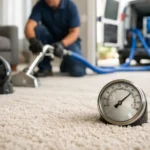
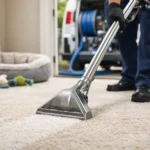
For move-out carpet cleaning, professional truck-powered hot water extraction can be a practical choice. It reaches deeper into carpet fibers than routine vacuuming and can help remove embedded soil that changes the look and feel of an otherwise clean room. Fast drying matters during a move, especially when a closing date, inspection, or new tenant is approaching. White Knight Carpet Cleaning uses truck-powered hot water extraction, a manufacturer-recommended method designed for effective deep cleaning and quicker drying.
Hardwood floors should be vacuumed or swept with a soft tool before damp mopping with a cleaner approved for the finish. Avoid soaking wood floors. Excess water can work into seams and cause damage. If floors have deep scratches, worn finish, or dull traffic paths, cleaning alone may not restore them fully. Still, careful professional hardwood floor cleaning can make a meaningful difference in how the room presents.
Do Not Forget Closets, Utility Areas, and Exterior Touches
Closets often collect dust, shoe marks, and stray hangers. Wipe shelves, rods, and baseboards, then vacuum or clean the floor. Check every cabinet, closet, attic access area, and storage space one last time. Leaving behind a small item can create an unnecessary delay at key handoff.
In the laundry area, clean lint around the dryer, wipe appliance tops and sides, and check the washer detergent drawer. If your move-out agreement includes exterior responsibilities, remove personal items from the yard, sweep the entry, and clear cobwebs from the porch or patio. Do not take on repairs that fall outside your responsibility without first reviewing your lease or sale agreement.
Know When Professional Help Makes Sense
Not every move requires a full professional cleaning service. If you have a small apartment, limited wear, and enough time, a detailed DIY cleaning may be sufficient. But professional help is often worthwhile when carpets have odors or stains, tile has heavy buildup, the home is being photographed for a listing, or a property manager needs a dependable turnover on a tight schedule.
For homeowners and agents, the decision is often about presentation. Buyers notice clean floors, fresh-smelling rooms, and bathrooms without residue. For renters, it may be about documentation and meeting the standards stated in the lease. Ask for an itemized explanation of the services being performed so there is no confusion about what is included.
Make the Final Check Count
After the cleaning is complete, return when the rooms are dry and the lights are on. Open cabinets and appliances. Check mirrors from different angles. Walk through each room with the same care you would use if you were moving in tomorrow.
Take final photos, remove trash, return keys as instructed, and keep copies of any cleaning receipts. A thoughtful move-out cleaning is one of the last ways to show respect for a home that served you well. It also gives the next resident, buyer, or tenant the clean, comfortable starting point they deserve.