






The air in your home can look perfectly clean while carrying dust, pet dander, pollen, cooking particles, and odors from one room to the next. Because windows stay closed for much of the year in Maryland, indoor air often has fewer opportunities to refresh naturally. For families with children, pets, allergies, or simply a busy household, paying attention to what is circulating through the home can make everyday spaces feel cleaner and more comfortable.
A healthier home does not depend on one product or one cleaning appointment. It comes from regular habits, attention to moisture, clean surfaces and floors, and an HVAC system that is not distributing a layer of dust every time it turns on. The good news is that many practical improvements are simple, affordable, and easy to maintain.
What Affects Indoor Air Quality?
Indoor air quality is influenced by what enters the house, what is created inside it, and what gets trapped in fabrics, floors, and ventilation systems. Dust is not just dirt from outside. It can include skin cells, fibers, pollen, pet dander, soil tracked in on shoes, and tiny particles from cooking or burning candles.
Carpet and upholstered furniture can hold onto some of these particles. That is not necessarily a problem on its own – soft surfaces can keep dust from immediately becoming airborne. But when carpets are heavily soiled, rarely vacuumed, or disturbed by foot traffic, particles can be released back into the room. Regular vacuuming and periodic professional carpet cleaning help remove the material that ordinary traffic leaves behind.
Moisture is another concern. Bathrooms, basements, laundry areas, and kitchens can all create humidity. When humidity stays high or a leak goes unnoticed, musty odors and mold growth can follow. Air fresheners may cover an odor temporarily, but they do not correct the source. Finding and fixing moisture problems is the more reliable approach.
Signs Your Indoor Air May Need Attention
Not every air-quality concern is obvious, and a stuffy room does not always mean there is a serious issue. Still, certain household patterns are worth investigating. You may notice that dust returns quickly after cleaning, that rooms smell stale when the HVAC system starts, or that vents have visible buildup around their covers.
Frequent allergy-like symptoms at home can also be a clue, especially when they improve after spending time elsewhere. Sneezing, itchy eyes, throat irritation, and congestion have many possible causes, so it is wise to speak with a medical professional about persistent symptoms. At home, though, reducing dust, dander, and moisture can remove some common irritants from the equation.
Pay attention to changes in your heating and cooling system as well. Weak airflow, more dust near registers, a persistent odor when the system runs, or filters that become dirty unusually fast may suggest the system needs maintenance. These signs do not automatically mean the ductwork needs cleaning. Sometimes the issue is a filter, a return-air leak, a damp area, or equipment that needs service. A careful inspection helps determine the right next step.
Practical Ways to Improve Indoor Air
The most effective plan is usually a steady routine rather than a major one-time project. Start with the places where dust, moisture, and outdoor debris enter or collect.
Use a vacuum with good filtration on carpets, area rugs, and upholstered furniture at least weekly, with more frequent attention in high-traffic areas and homes with shedding pets. Vacuum slowly enough to lift embedded soil instead of making a quick pass over the surface. Entry mats at exterior doors also make a real difference by catching soil before it reaches the carpet.
Replace HVAC filters on the schedule recommended for your system and household. A home with several pets, ongoing renovations, or family members with allergies may need more frequent changes than a home with light use. The highest-rated filter is not always the best choice if it restricts airflow in your particular system, so follow the guidance from your HVAC manufacturer or technician.
Control humidity where you can. Run bathroom exhaust fans during showers and for a short time afterward. Use the kitchen exhaust fan while cooking, particularly when frying or searing food. Address plumbing leaks promptly, and consider a dehumidifier in a damp basement if humidity remains consistently high. The goal is not dry air at all costs. Very dry air can be uncomfortable too. A moderate, stable humidity level is usually best for both comfort and the home.
Open windows when outdoor conditions are pleasant and local pollen levels are manageable. Fresh air can help dilute everyday odors and airborne particles. However, during peak pollen periods, wildfire smoke events, or very humid weather, keeping windows closed may be the better choice. This is one area where the right decision depends on the season and the needs of your household.
Be thoughtful about products used indoors. Choose low-odor cleaners when possible, use sprays only as directed, and provide ventilation during painting, cleaning, or other projects that create fumes. Fragrance can make a home smell clean, but clean air is better measured by the absence of lingering odors and irritants than by a strong scent.
The Role of Carpets and Air Ducts
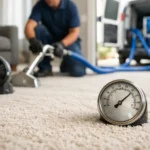
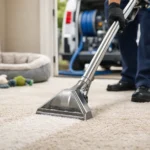
Carpets, rugs, and ductwork are often part of the conversation about indoor air because they can collect dust over time. Proper carpet care supports a cleaner home by removing dry soil, tracked-in debris, and allergens that settle into the fibers. Professional hot water extraction can be especially useful for heavily used rooms, pet areas, and homes preparing for a move, sale, or new baby.
The cleaning method matters. Truck-powered hot water extraction uses heated water and professional suction to remove deep soil while helping carpets dry faster than older, overwetting methods. Fast drying is important because carpet should not stay damp longer than necessary. A well-maintained carpet can remain a comfortable, practical surface for family homes when it receives consistent care.
Air duct cleaning can be helpful when there is visible dust buildup, construction debris, evidence of pests, musty odors connected to the system, or after a major renovation. It is not a substitute for fixing an HVAC problem or controlling moisture. A responsible service provider should be willing to explain what they see and whether cleaning is likely to help, rather than treating every home as the same.
For homeowners who want one dependable local crew for carpet and duct cleaning, White Knight Carpet Cleaning has served Maryland homes since 1982. A consistent, owner-operated approach means the people working inside your home are accountable for treating it with care.
When to Bring in a Professional
Routine household cleaning goes a long way, but some situations call for a closer look. Consider professional help after water damage has been fully repaired, after dusty remodeling work, when carpets have persistent pet odor or heavy soil, or when a property needs to be market-ready. Real estate agents and property managers often benefit from scheduling floor and duct-related cleaning before photos, showings, move-ins, or tenant turnovers.
If you suspect mold, combustion problems, asbestos, or another serious air-quality hazard, contact the appropriate qualified specialist. Carpet or duct cleaning should not be presented as a cure for every indoor-air concern. The right service depends on the actual source of the problem.
A cleaner home is built through small, repeatable choices: a clean filter, a dry bathroom, a well-vacuumed carpet, and prompt attention when something smells or feels off. Those habits help make the air your family breathes feel as cared for as the rooms you live in.