





A rug can hold far more than the spots you see near the sofa or dining table. Fine grit settles deep into the pile, pet oils cling to fibers, and an overlooked spill can become harder to remove with every passing week. When you choose rug cleaning professionals, the goal is not simply to make a rug look brighter for a few days. It is to protect the fibers, color, backing, and value of an item that helps make your home feel comfortable.
For Montgomery County homeowners, the right company should bring experience, clear answers, and care for the details that make one rug different from the next. A durable synthetic area rug and a hand-knotted wool rug should not receive the same treatment just because they happen to be on the same floor.
Start With Your Rug’s Material and Construction
Before requesting an estimate, look at the rug’s label if one is available. The material matters because cleaning methods that work well for one fiber can create problems for another. Synthetic rugs made from nylon, polyester, or polypropylene are often resilient and may respond well to professional hot water extraction. Wool, silk, viscose, cotton, jute, and antique rugs require more caution.
A reputable cleaner will ask questions about the rug before promising a result. They may want to know its age, material, approximate size, where it is used, whether it has fringe, and what caused the stains. Those questions are a good sign. They show that the company is thinking about the safest cleaning approach instead of applying one routine to every job.
Construction matters, too. A machine-made rug can be very different from a handwoven or hand-tufted rug. Some rugs have glued backings that can loosen when exposed to too much moisture. Others may bleed dye, shrink, or develop texture changes if cleaned incorrectly. A professional should explain whether the rug can be cleaned in your home or whether it needs specialized off-site care.
Be Honest About Stains and Pet Accidents
It may feel easier to point out a stain without explaining its source, but details help a cleaner choose the right treatment. Coffee, wine, ink, grease, pet urine, and old mystery spots all behave differently. Pet accidents can travel into the rug backing and pad, which means surface cleaning alone may not solve the odor.
No honest professional should guarantee complete stain removal before inspecting the rug. Some stains permanently alter dye or fibers. What a dependable company can promise is a careful assessment, appropriate treatment, and a clear explanation of what is realistic.
Ask How the Cleaning Method Fits the Rug
The best cleaning method depends on the rug, not on a sales pitch. Ask the company to describe its process in plain language, including how it removes dry soil, treats spots, rinses cleaning solutions, and manages drying. You should be able to understand the answer without being told that every detail is proprietary.
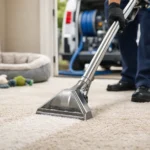
For suitable rugs, truck-powered hot water extraction can provide a deep clean by flushing embedded soil from the fibers and removing moisture efficiently. It is often an effective choice for synthetic area rugs and wall-to-wall carpet. Strong extraction is especially helpful because leaving too much moisture behind can encourage odors, slow drying, or cause problems with certain backings.
That said, hot water extraction is not automatically right for every rug. Wool, natural-fiber, delicate, and valuable rugs may need lower-moisture methods, careful hand cleaning, or a controlled wash process away from the home. The key is not to insist on one method. It is to hire a professional who recognizes the difference.
Ask whether cleaning solutions are appropriate for homes with children and pets. A responsible company should be able to discuss the products used, any precautions needed, and how long to keep feet and paws off the rug while it dries.
Look for Clear Inspection and Testing Practices
A quick glance from the doorway is not a meaningful inspection. Before cleaning begins, a professional should examine the rug for worn areas, loose fibers, color fading, fringe damage, pulled threads, previous repairs, and signs of pet damage. This protects both your rug and your expectations.
Color testing is particularly valuable for rugs with deep reds, blues, or other richly dyed areas. Dye migration can occur when colors are unstable, especially in handmade or older rugs. Testing a small inconspicuous area helps the cleaner identify risk before moisture reaches a larger section.
You should also ask whether the company will move light furniture, place protective tabs or blocks under furniture legs, and discuss any pieces that should remain in place. These small steps reflect respect for your home and help prevent avoidable marks on damp carpet or flooring beneath the rug.
Choose Rug Cleaning Professionals Who Are Accountable
Inviting a service provider into your home requires trust. Experience matters, but so does accountability. Look for a locally established company with a consistent team, a straightforward way to reach the business, and technicians who can answer questions on site.
An owner-operated or single-crew approach can be particularly reassuring. When the same experienced crew handles each appointment, there is less chance that details get lost between an office, a call center, and a rotating list of technicians. You know who is responsible for the work and who to contact if you have a concern.
Years in business are not the only measure of quality, but they do provide useful context. A company that has served local homes over many years has had to earn repeat business, handle difficult cleaning situations, and stand behind its work. For homeowners, property managers, and real estate agents preparing a property for showings, that reliability can be as valuable as the cleaning itself.
Pay Attention to the Estimate, Not Just the Price
A low advertised price may be appealing, but it does not always tell you what is included. Ask whether the quote covers pre-treatment, deodorizing, furniture moving, stain treatment, and any minimum service charge. If a rug needs special handling, confirm whether that changes the price before work starts.
The most affordable choice is often the company that cleans correctly the first time and helps extend the life of the rug. Repeated aggressive cleaning, excessive soaking, or harsh spot treatments can cost more in the long run than a fair, clearly explained service price.
Know What Good Drying and Aftercare Look Like
Professional cleaning should leave a rug fresh, not damp for days. Drying time varies with the rug’s thickness, fiber type, weather, ventilation, and cleaning method. Your cleaner should give practical guidance, such as improving airflow, using ceiling fans, limiting foot traffic, and waiting until the rug is fully dry before replacing furniture.
Do not judge a rug only by its appearance immediately after cleaning. Some pile may look slightly different while damp, and any remaining spots may become more visible as fibers dry. Ask the company what to do if you notice a concern after the appointment. A dependable provider will give you a direct path for follow-up rather than leaving you to guess.
Regular vacuuming between professional cleanings makes a real difference. Soil acts like fine sandpaper underfoot, gradually wearing down fibers. Address spills promptly by blotting with a clean white cloth instead of scrubbing, which can spread the spill and distort the pile. For homes with pets, children, or heavy traffic, a more frequent professional cleaning schedule may be worthwhile.
Questions Worth Asking Before You Schedule
You do not need to become a rug-cleaning expert before making a call. A few practical questions will tell you a great deal about a company:
- What cleaning method do you recommend for my rug’s material and construction?
- Will you inspect and test for color stability before cleaning?
- Can you treat pet odor or old stains, and what results are realistic?
- How long should the rug take to dry?
- Who will be performing the work, and how can I reach you with questions afterward?
The answers should feel calm, specific, and free of pressure. If a company cannot explain its method, refuses to discuss risks, or makes sweeping promises about every stain, keep looking.
A well-cleaned rug should feel like part of a well-cared-for home: cleaner underfoot, more inviting in the room, and treated with the attention it deserves. Choose a professional who takes the time to understand what is in front of them, because careful work is how a favorite rug stays a favorite for years to come.