






A dropped juice box, a muddy dog paw, or a rushed dinner can turn a clean carpet into a stressful cleanup. Carpet protector reviews often promise an easy answer: spray a product, and spills will no longer matter. The reality is more practical. A quality protector can make many everyday spills easier to remove, but its results depend on the carpet fiber, how it is applied, how the carpet is maintained, and how quickly a spill is addressed.
For Montgomery County homeowners who want carpets to look good longer, the best choice is not always the bottle with the boldest claim. It is the protector that suits the carpet, the household, and the level of care the carpet receives afterward.
What Carpet Protector Reviews Should Tell You
Most carpet protectors work by helping carpet fibers resist absorbing water-based and oily soils. Instead of soaking in immediately, a fresh spill may bead near the surface long enough for you to blot it. This can reduce the chance of a permanent stain, especially with common household accidents such as coffee, juice, tracked-in dirt, and pet-related messes.
That does not make a protector a force field. It will not prevent bleach damage, stop heavy soil from building up, repair worn carpet, or make an old stain disappear. Reviews that treat protection as permanent or stain-proof should be read with caution. The most useful reviews explain what happened after a real spill, whether the product changed the carpet’s feel or appearance, and how well it performed over time.
A review is also more meaningful when it identifies the fiber. Nylon, polyester, triexta, wool, and olefin do not respond the same way to cleaning products or protectors. A product that performs well on a synthetic area rug may not be the right choice for a wool carpet or a carpet with a special factory treatment.
Professional Application Versus Store-Bought Sprays
Store-bought carpet protectors can be useful for a small spot, an entry rug, or a newly cleaned carpet area. They are convenient and may offer a reasonable level of short-term protection when applied carefully. However, coverage can be uneven, and applying too much product may leave a residue, affect texture, or attract soil.
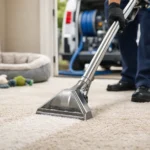
Professional protectors are typically applied after hot water extraction, when the carpet is clean and ready to receive them. The benefit is not just the product itself. It is the preparation and application. Soil, oils, and leftover cleaning residue can interfere with a protector’s performance, so applying it over a carpet that is not thoroughly cleaned first is rarely a good investment.
For busy households, professional application can also provide greater consistency across large rooms, stairs, and high-traffic areas. That said, it depends on the carpet’s age and condition. If fibers are heavily worn or crushed, a protector may still help with spill cleanup, but it cannot restore the carpet’s original appearance.
How to Read Claims About Stain Resistance
When comparing carpet protector reviews, look for details rather than broad statements such as “works great” or “did nothing.” A good review describes the kind of spill involved, how long it sat, whether it was blotted or rubbed, and whether the carpet had been cleaned beforehand. Red wine left overnight is a much tougher test than water blotted right away.
Be wary of reviews that judge a protector solely by whether water beads on the carpet. Water beading can be a positive sign, but it is not the whole story. Carpets face dry soil, body oils, cooking residue, pet accidents, and sticky spills. A protector’s value often shows up in easier vacuuming, less rapid resoiling, and more successful spot cleaning over several months.
It also helps to separate stain resistance from soil resistance. A carpet may resist a water-based spill reasonably well but still show traffic lanes if dirt and oils are allowed to collect. Regular vacuuming remains one of the most effective ways to protect carpet appearance, with or without an added treatment.
Fiber Type Makes a Real Difference
Nylon carpet is durable and common in active family homes. It can respond well to a professionally applied protector because the treatment can improve resistance to spills and soil. Polyester and triexta are naturally more stain-resistant in many cases, but they can still benefit from protection against oily soil, especially in living rooms, dining areas, and hallways.
Wool requires more care. It is a natural fiber that can absorb moisture and react differently to cleaning solutions. A protector intended for synthetic carpet should not automatically be used on wool. Before treatment, confirm that the product and process are appropriate for the fiber and any manufacturer recommendations.
Olefin, often found in lower-pile or looped carpeting, has strong inherent resistance to water-based staining but can hold onto oils. The right maintenance plan matters as much as any protector. For every fiber type, avoid aggressive scrubbing after a spill. Blotting with a clean white towel is safer and less likely to spread the stain or distort the carpet pile.
Safety and Odor Questions to Ask
Families with children and pets understandably want to know what is being applied in their home. Product safety is not something to assume from marketing language alone. Ask whether the protector is intended for residential carpet, whether there are specific drying or ventilation instructions, and how long children and pets should stay off the treated area.
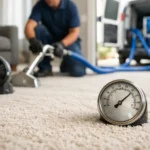
A mild temporary odor may occur with some products, particularly during application and drying. Strong lingering odors, a sticky feel, or visible residue are not normal results to ignore. Proper application rates and adequate drying time matter. Truck-powered hot water extraction can help carpets dry efficiently before and after service, but humidity, carpet thickness, airflow, and the amount of treatment used all affect the final drying time.
If someone in the household has chemical sensitivities, asthma, or other health concerns, discuss them before the appointment. A reputable cleaning professional should be willing to explain the process in plain language and help determine whether protector application is appropriate.
When Carpet Protection Is Worth the Cost
Carpet protection is usually most worthwhile when the carpet is newer, recently installed, or in good condition after a deep cleaning. It is especially practical in homes with young children, pets, frequent entertaining, or carpeted dining spaces. High-traffic pathways, stairs, family rooms, and bedrooms where snacks or drinks are common are often the areas where homeowners notice the greatest value.
It can also be a sensible choice before putting a home on the market or preparing a rental turnover. Clean, well-maintained carpeting supports a better first impression and may make last-minute spill cleanup less difficult while a property is being shown.
On the other hand, a protector may not be the best use of money for carpeting that is near replacement, severely worn, or permanently discolored. In that situation, a thorough cleaning may improve the appearance, but expectations should remain realistic. An experienced local cleaner should explain that distinction rather than sell an unnecessary add-on.
Make the Protection Last Longer
A protector performs best as part of a maintenance routine, not as a substitute for one. Vacuum regularly, especially near entrances and in rooms used every day. Use walk-off mats at exterior doors, but clean those mats often so they do not become a source of tracked-in grit.
When spills happen, blot promptly from the outside toward the center with a clean white towel. Avoid rubbing, which pushes material deeper into the fibers. Avoid using a collection of household cleaners without knowing whether they are safe for the carpet, since some products can leave residue or affect the carpet’s color.
Schedule professional cleaning before soil becomes deeply embedded. White Knight Carpet Cleaning has served local households since 1982 with truck-powered hot water extraction designed to remove deeply held soil while supporting faster drying. After a proper cleaning, a qualified technician can help you decide whether reapplying protector makes sense for your carpet and household.
The best result is a carpet that remains comfortable, clean, and easier to care for between professional visits. Choose protection with realistic expectations, respond quickly to spills, and let the actual needs of your home guide the decision.