





A carpet can look acceptable during a quick walk-through and still hold the odors, tracked-in soil, and old spills that become a new resident’s first complaint. Carpet cleaning for property managers is not simply a finishing touch between tenants. Done at the right time and with the right method, it protects a costly flooring asset, supports a cleaner move-in experience, and helps keep turnovers on schedule.
For rental homes and apartment units, the goal is practical: return carpet to its best cleanable condition without creating delays, excess moisture, or surprises after the keys change hands. That takes an experienced crew, clear communication, and an honest assessment of what cleaning can and cannot restore.
Why Carpet Cleaning Matters During Turnovers
Carpet is one of the largest visible surfaces in a rental property. Even when a unit is otherwise clean, dull traffic lanes, pet odors, and stained bedrooms can make the home feel neglected. Prospective residents notice these details quickly, especially in living rooms, hallways, stairways, and entry areas.
Professional cleaning also helps extend the useful life of carpet. Fine grit works its way down into the fibers and acts like sandpaper under foot traffic. Vacuuming removes surface debris, but it does not always remove the embedded soil that causes carpets to look gray, feel matted, and wear prematurely. Regular deep cleaning can help preserve texture and appearance, delaying replacement when the carpet is otherwise in sound condition.
For property managers, there is also a documentation benefit. A scheduled cleaning after move-out creates a clear record that the unit was prepared for the next resident. If stains, pet contamination, or unusual conditions are present, identifying them before cleaning helps support a more accurate discussion about damage, restoration, and possible replacement.
When to Schedule Carpet Cleaning for Property Managers
The best timing depends on the condition of the unit and the rest of the turnover plan. In most cases, carpet cleaning should happen after belongings are removed and after repairs that create dust or debris are complete. Painting is often best finished before cleaning as well, since ladder marks, drywall dust, and paint drips can quickly undo the work.
At the same time, cleaning should not be left until the final hour. A professional hot water extraction process dries far more quickly than older, over-wet methods, but drying time is still affected by humidity, carpet thickness, airflow, and the amount of soil being removed. Scheduling with a reasonable buffer gives the carpet time to dry and allows the manager to inspect the finished unit before move-in.
For a lightly used property with no odor concerns, cleaning may fit neatly into a standard turnover. For a home with pets, heavy traffic, or multiple visible stains, it is wise to schedule an evaluation early. Some conditions require additional treatment, and a few may reveal that replacement is more sensible than repeated cleaning.
Cleaning, Repair, or Replacement?
A reputable carpet cleaner should be straightforward about the difference. Many food spills, everyday traffic soil, and general dinginess respond well to professional cleaning. Some old stains may improve significantly without disappearing completely, particularly if they have been treated repeatedly with household products or have permanently changed the carpet’s color.
Pet urine is another situation where the answer depends on severity. Surface odor treatment may help when an accident is limited and addressed promptly. If contamination has reached the backing, pad, or subfloor, cleaning the carpet alone may not solve the odor. Honest recommendations protect the property manager from spending money on a treatment that will not deliver a lasting result.
Replacement may be the better choice when carpet is badly worn, delaminating, burned, torn, or affected by widespread contamination. The objective is not to promise perfection. It is to help the property look clean, cared for, and ready for its next chapter.
Choosing a Cleaning Method That Fits a Turnover Schedule
Not all carpet cleaning methods produce the same results. Low-moisture methods can be useful for interim maintenance or situations where immediate access is the main concern. However, they may not provide the deep soil removal needed after a tenant moves out.
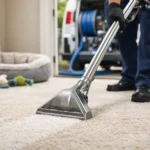
Truck-powered hot water extraction is a strong option for turnover cleaning because it flushes soil and residues from deep within the carpet and removes them with powerful extraction. When performed correctly, it does not leave carpets soaked for days. Good equipment, proper technique, and adequate extraction help carpets dry quickly while delivering the deeper clean many rental properties need.
This matters when a unit has been closed up, used by pets, or occupied by a family with children. Surface cleaning can improve appearance, but embedded soil and lingering odors may remain. Hot water extraction is widely recommended by carpet manufacturers because it addresses the carpet more thoroughly without relying on heavy residues that can attract dirt later.
Build Carpet Care Into Your Property Standards
The easiest turnover is the one that is not starting from years of deferred maintenance. Rather than treating carpet cleaning as a last-minute response to a vacancy, establish a practical maintenance standard for occupied units as well.
A professional cleaning schedule can depend on the property type, household size, pets, lease terms, and level of foot traffic. A single adult in a low-traffic unit may need less frequent service than a busy household with children and pets. Common areas, stairs, and hallways often need attention before bedrooms do.
Clear lease language can also help set expectations. Residents should understand their responsibility for reporting spills, addressing pet accidents promptly, and avoiding harsh do-it-yourself products that can set stains or leave sticky residue. Property managers can reinforce these expectations with simple move-in and move-out checklists.
Consistency matters just as much as frequency. Working with one reliable cleaning crew means the people entering a rental understand the standards you expect. They can recognize recurring concerns, communicate directly about difficult areas, and provide a more dependable experience than a rotating group of unfamiliar technicians.
What to Document Before the Cleaning Appointment
A brief inspection before service saves time and helps avoid misunderstandings. Photos of major stains, damaged seams, pet-affected areas, burns, and excessive wear are useful for your records. They also allow the cleaning professional to prepare for conditions that may need special attention.
During the walk-through, note whether the carpet is still damp from a recent leak, whether there are odor concerns, and whether furniture will remain in the unit. If repair teams or painters are still scheduled, coordinate the order of work so the carpet is not dirtied again after cleaning.
For larger portfolios, a simple standardized process is helpful. Record the unit address, room conditions, known spots or odors, service date, and any recommendations for repair or replacement. That record supports efficient decisions and gives owners a clearer view of where flooring expenses are going.
Questions to Ask a Carpet Cleaning Provider
Price matters, but the lowest quote does not always provide the best value during a time-sensitive turnover. Ask what cleaning method will be used, whether spot and odor treatments are included or priced separately, and how long the carpet is expected to take to dry. It is also reasonable to ask who will be performing the work and whether the same crew handles each appointment.
Look for a company that explains its process in plain language. A provider should be able to tell you whether a stain is likely to respond, whether an odor concern may require additional work, and whether the carpet has reached the point where replacement should be considered. That kind of candor helps managers plan instead of react.
For Montgomery County property managers, a locally established company can also make scheduling and follow-up easier. White Knight Carpet Cleaning has served local homes since 1982 with an owner-operated crew and truck-powered hot water extraction designed for deep cleaning and faster drying.
A clean carpet should support a smooth handoff, not become another item on an already crowded turnover list. When cleaning is scheduled early, documented carefully, and handled by a crew you trust, the unit feels more welcoming before the next resident ever opens the door.