






A home can look clean and still hold the particles that trigger sneezing, itchy eyes, congestion, and asthma symptoms. Dust settles behind furniture, pet dander works its way into carpet fibers, and pollen comes indoors on shoes, clothing, and open-window breezes. This indoor allergen cleaning guide focuses on the places allergens collect most often and the practical habits that make a real difference for your family.
Start With the Areas That Hold Allergens
Allergen control is not about making every surface sterile. It is about removing the materials that build up indoors before they become embedded in fabrics, flooring, and air-handling systems. For most households, dust mites, pet dander, pollen, and mold spores are the most common concerns.
Soft surfaces deserve special attention because they trap particles below the visible surface. Carpets, upholstered furniture, area rugs, mattresses, curtains, and pet beds can all hold allergens that a quick surface wipe will not reach. Hard surfaces collect dust too, but they are generally easier to clean thoroughly when they are wiped with a damp microfiber cloth.
If someone in your home has allergies or asthma, begin in the bedroom. It is where people spend the longest uninterrupted stretch of time, often close to pillows, bedding, carpet, and upholstered furnishings. Then move to the living room and other spaces where pets, shoes, and daily activity bring more particles indoors.
A Practical Indoor Allergen Cleaning Guide by Room
Bedrooms: Protect the Place You Sleep
Wash sheets and pillowcases weekly in hot water when the fabric allows it. Blankets, comforters, mattress covers, and pillow protectors should be cleaned on the schedule recommended by their care labels. Allergy-proof covers can help reduce exposure to dust mites in mattresses and pillows, especially for people with known sensitivities.
Vacuum carpet, rugs, and the area around the bed regularly. Use slow passes rather than rushing through the room, since vacuuming too quickly can leave fine material behind. A vacuum with a sealed system and a high-efficiency filter is usually a worthwhile choice for allergy-prone homes.
Do not overlook headboards, window sills, ceiling-fan blades, blinds, and under-bed storage. These areas gather dust quietly, then release it back into the room whenever air moves through the space. A slightly damp microfiber cloth captures dust better than a dry feather duster, which may simply move particles around.
Living Areas: Address Carpets, Upholstery, and Pet Zones
Living rooms often carry the heaviest allergen load because they receive the most traffic. Shoes track in pollen and outdoor debris. Pets lounge on rugs and furniture. Family members bring in particles on clothing after work, school, errands, and outdoor activities.
Vacuum high-traffic carpeted areas at least once or twice each week, and more often during heavy pollen seasons or when pets shed. Move lightweight furniture periodically so dust does not form a long-term layer around chair legs, under sofas, and along baseboards. Wash removable cushion covers and throws according to their labels.
Pet beds and favorite resting spots need regular care. Wash bedding, vacuum surrounding carpet, and wipe nearby walls or baseboards where loose fur tends to gather. Bathing pets as recommended by a veterinarian can also reduce the dander and pollen they carry inside. The goal is not to keep pets out of the family room, but to prevent their favorite spot from becoming a permanent allergen reservoir.
Kitchens and Bathrooms: Control Moisture Before Mold Grows
In kitchens and bathrooms, moisture matters as much as dust. Mold needs damp conditions to grow, so prompt attention to leaks, drips, and poor ventilation can prevent a larger problem. Dry wet floors and shower walls, repair plumbing leaks, and run bathroom exhaust fans during and after showers.
Clean visible mildew with an appropriate household cleaner and follow product directions carefully. If you notice repeated growth, a musty odor, damaged drywall, or water staining, cleaning alone may not solve the source of the moisture. That is the time to investigate ventilation, plumbing, roof leaks, or other building concerns.
Kitchen floors also deserve frequent attention. Crumbs and grease can attract pests, while the space under appliances may collect dust and debris for months. Sweep or vacuum first, then mop using a cleaner suited to your floor type. Hardwood floors should not be saturated with water, since excessive moisture can damage the finish and the wood beneath it.
Clean the Air Path, Not Just the Floor
Floors are a major part of allergen control, but they are not the whole picture. Your heating and cooling system moves air through the house every day, carrying some particles with it. Change HVAC filters on a schedule that fits your system, household, and filter type. Homes with pets, allergy sufferers, or frequent open windows may need more frequent changes than homes with lighter use.
Keep supply and return vents free of furniture, piles of belongings, and visible dust. Wipe vent covers carefully during routine cleaning. If you see substantial dust buildup around registers, notice persistent odors when the system runs, or have recently completed renovations, professional air duct cleaning may be worth considering.
An air purifier can be helpful in bedrooms or other rooms where allergy symptoms are most noticeable, but it is not a substitute for removing the dust and dander already in carpet and upholstery. Think of filtration as support for a cleaning routine, not a replacement for one.
Why Deep Carpet Cleaning Matters
Regular vacuuming removes a meaningful amount of dry soil, hair, and surface debris. However, it cannot always remove the buildup that settles deeper in carpet fibers over time. That is particularly true in entryways, family rooms, stairs, and homes with pets.
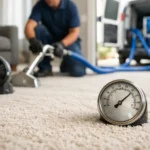
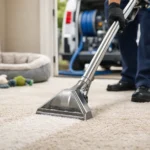
Professional hot water extraction reaches beyond the surface to flush out embedded soil and allergens. When performed properly, it can improve the look and feel of carpet while reducing the material that routine vacuuming leaves behind. Fast drying is important too. Carpet should not stay damp longer than necessary, since prolonged moisture can create its own concerns.
The right frequency depends on the household. A low-traffic home without pets may need professional cleaning less often than a busy home with children, dogs, cats, or seasonal allergy concerns. For many families, scheduling deep carpet cleaning every 6 to 12 months is a sensible maintenance plan. Homes preparing for sale, welcoming a new baby, or recovering from a long winter indoors may benefit from cleaning sooner.
White Knight Carpet Cleaning uses truck-powered hot water extraction to provide a deep clean with quick drying times, helping Montgomery County homeowners maintain cleaner carpets without unnecessary disruption to the home.
Small Habits That Reduce Allergen Buildup
The most effective cleaning plans are repeatable. Place sturdy mats at exterior doors, and ask family members and guests to remove shoes when practical. This reduces the pollen, dirt, and other particles that would otherwise be ground into carpet.
Keep clutter under control, especially in bedrooms and living rooms. Stacks of boxes, extra textiles, and crowded shelves create more surfaces for dust to settle and make thorough cleaning harder. Store seasonal items in closed containers rather than leaving them exposed.
During high-pollen days, keep windows closed if outdoor symptoms are severe. After spending time outside, changing clothes and showering before bed can keep pollen off bedding and upholstered furniture. It may sound simple, but these routines can noticeably reduce the amount brought into the home.
When to Call for Professional Help
A cleaning routine should make your home easier to maintain, not turn every weekend into an exhausting project. Professional help is especially useful when carpet has not been deep-cleaned in a long time, odors remain after vacuuming, pet hair is deeply embedded, or a property needs to be ready for new tenants, buyers, or showings.
For families dealing with ongoing allergy symptoms, it can also help to look at the entire home: carpets, upholstery, filters, humidity, pet areas, and air ducts. One service alone may not solve every concern, but a consistent plan can reduce the overall allergen burden in the spaces where your family lives and rests.
A healthier home rarely comes from one dramatic cleaning day. It comes from paying attention to the places allergens settle, keeping moisture under control, and giving carpets and air pathways the deeper care they need from time to time.