






A closed-up home can feel comfortable while holding onto far more than warmth. Dust, pet dander, cooking particles, moisture, cleaning-product fumes, and outdoor pollutants all have ways of building up indoors. Current indoor air quality trends reflect a practical shift among homeowners: people are paying closer attention to the air they live with every day, especially when children, pets, allergies, or persistent odors are part of the picture.
For Montgomery County households, the concern is not about making a home sterile. It is about reducing the everyday sources of indoor pollution and knowing which improvements actually make sense for the home, the family, and the budget.
Indoor Air Quality Trends Homeowners Should Know
One of the clearest changes is that indoor air is no longer treated as a separate issue from cleaning and home maintenance. Homeowners increasingly understand that the condition of carpets, upholstery, HVAC filters, bathrooms, kitchens, and ventilation systems can all influence how a home smells and feels.
This broader view is useful because indoor air quality is rarely improved by one product or one service alone. A portable air purifier may help in a bedroom. A better furnace filter may capture more particles moving through the system. Professional carpet cleaning can remove the soil, allergens, and fine debris that settle deep in carpet fibers. The right combination depends on what is happening in the home.
More attention to particles, not just odors
Odors are noticeable, but they are not the only sign that a home needs attention. Fine particles from outdoor traffic, pollen, cooking, candles, fireplaces, and ordinary household dust can settle into soft surfaces and circulate when people walk through a room or the heating and cooling system runs.
This is why regular vacuuming remains valuable, particularly with a sealed vacuum and a clean filter. Still, vacuuming primarily addresses the surface. Carpet acts as a filter in its own way, trapping soil and particles over time. When it becomes overloaded, it can look dull, feel gritty, and release more dust when disturbed.
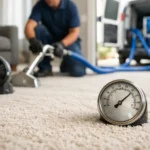
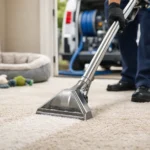
Deep cleaning with truck-powered hot water extraction addresses embedded soil that routine vacuuming cannot fully remove. It is also a practical choice for families who want cleaner carpets without leaving them wet for an extended period. Faster drying matters because excess moisture is never helpful in a home.
A growing focus on ventilation and moisture
Fresh air is one of the simplest tools for improving indoor conditions, but it is not always easy to use. During high-pollen days, wildfire smoke events, humid weather, or extreme temperatures, opening windows may not be the best answer. That is where controlled ventilation, well-maintained HVAC equipment, and source control become more important.
Moisture is especially worth watching. Bathrooms without effective exhaust, damp basements, roof leaks, plumbing leaks, and overly humid indoor conditions can contribute to musty odors and mold growth. An air purifier cannot solve a moisture problem. The source needs to be corrected first, then affected materials and surfaces may need appropriate cleaning or restoration.
For most homes, indoor humidity is best kept in a moderate range. If windows frequently sweat, rooms feel clammy, or a basement has a persistent musty smell, consider investigating the cause rather than masking it with fragrance products.
What Actually Makes a Difference in a Typical Home
The most useful indoor air quality improvements are usually the least dramatic. They reduce the amount of material entering the home, remove what has settled, and keep the HVAC system operating as intended.
Start with the filter in the heating and cooling system. A higher-rated filter may capture smaller particles, but the best filter is not always the one with the highest rating. Some systems cannot handle very dense filters without reduced airflow. Check the equipment manufacturer’s recommendation or ask a qualified HVAC professional what your system can support. Replace filters on schedule, and sooner when there are pets, active renovations, or heavy seasonal pollen.
Next, look at the places where dust collects. Entryways, rugs, carpeted bedrooms, upholstered furniture, blinds, and return-air grilles all deserve attention. Using quality doormats and removing shoes near the door can reduce what gets tracked across the home. It is a small habit with a real payoff for floors and carpets.
Cooking is another common source of particles, especially when frying, searing, or cooking with gas. Run the range hood when possible, ideally one that vents outdoors. If a kitchen has no exterior venting, clean more frequently around the cooking area and consider using a properly sized air purifier nearby.
Air purifiers: helpful, but not a complete plan
Portable air purifiers are among the most visible home-air trends. They can be useful for bedrooms, nurseries, homes with pets, and rooms where someone spends a great deal of time. The key is sizing the unit for the room and running it consistently enough to matter.
A purifier does not replace housekeeping, ventilation, or professional cleaning. It also cannot correct a dirty carpet, a damp basement, or an HVAC issue. Think of it as one layer of support. For a family with seasonal allergies, for example, a purifier in the bedroom may be worthwhile alongside regular dusting, frequent filter changes, and periodic carpet cleaning.
Be cautious with products that intentionally release strong scents or claim to clean the air through fragrance. A home can smell fresh while still containing airborne particles or chemical irritants. If someone in the household is sensitive to fragrances, simpler cleaning products and good ventilation are often the better choice.
Air ducts deserve an honest assessment
Air duct cleaning is another subject receiving more attention, particularly after remodeling, a move, visible dust around vents, pest activity, or years of deferred maintenance. In the right situation, cleaning ducts can help remove accumulated debris from the system and improve the cleanliness of supply and return areas.
However, duct cleaning is not automatically necessary every year, and it is not a cure for every allergy or dust concern. If a home has a recurring dust problem, look at the whole picture: filter condition, return-air leaks, carpet and upholstery, pets, attic or crawlspace dust, and housekeeping routines. A trustworthy recommendation should be based on the home’s actual condition, not fear-based promises.
Cleaning Choices That Support Healthier Indoor Spaces
Homeowners are also paying closer attention to what gets used inside their homes. This does not mean every cleaner must be labeled “natural,” nor does it mean strong chemicals are always required. The better question is whether a product is appropriate for the surface, used as directed, and ventilated properly.
For carpet care, avoiding over-wetting is especially important. Too much moisture can lengthen dry times and create problems beneath the surface. Professional hot water extraction uses heated cleaning solution and powerful recovery to lift soil from carpet fibers while removing the moisture and residue. When performed correctly, it provides a deep clean without leaving a home damp for days.
Regular professional cleaning can be particularly helpful before a new baby arrives, after a pet accident issue, following renovation dust, or before putting a home on the market. For rental turnovers and real estate listings, clean carpets and fresh indoor spaces also make a stronger first impression. They communicate that the property has been cared for.
When Indoor Air Concerns Need More Than Cleaning
Cleaning is an important part of home care, but there are times when a bigger issue may be present. Persistent musty odors, visible mold, water damage, unexplained respiratory symptoms, combustion odors, or carbon monoxide alarms should not be handled as ordinary cleaning concerns.
Carbon monoxide requires immediate action. Leave the home and contact emergency services or the appropriate utility provider if an alarm sounds. For suspected mold or water damage, correct the moisture source and consult a qualified professional when the area is extensive or contamination may be hidden behind walls or under flooring.
If family members have ongoing breathing concerns, it is also wise to speak with a medical professional. Indoor air improvements can support comfort, but they are not a substitute for medical guidance.
A healthier-feeling home usually comes from consistent, sensible care rather than one major purchase. Keep moisture under control, maintain the HVAC system, clean the areas that trap dust, and address unusual odors before they become familiar. When carpets or ducts need professional attention, choose a local team that treats the condition of your home with the same care you do.