






A spilled drink can turn into a permanent-looking carpet mark in the time it takes to find paper towels. Knowing how to remove carpet stains starts with one rule: act promptly, but do not scrub. Rubbing pushes soil deeper into the fibers, spreads the spot, and can damage the carpet’s texture.
Most fresh stains can be improved at home with patience, clean white towels, and the right amount of moisture. Older stains, recurring pet spots, and dark marks that have reached the backing may need professional attention. The goal is not to use the strongest product available. It is to remove the spill without leaving soap, discoloration, or excess water behind.
Start With the Right Stain-Removal Method
Before applying anything to the carpet, identify what caused the stain and whether it is still wet. A fresh coffee spill calls for a different approach than dried grease or a pet accident. If you are not sure what the spot is, begin with the gentlest method and avoid combining cleaning products.
First, remove any solids with the edge of a spoon or a dull knife. Work from the outside of the spill toward the center so you do not spread it. Then blot with a clean, white, absorbent towel. Press firmly, lift, and move to a dry part of the towel. Continue until no more color or moisture transfers.
Avoid printed towels, colored cloths, or rough brushes. Dye can transfer from the cloth, while aggressive scrubbing can make a small stain look larger by roughening the carpet pile. Do not soak the area. Carpet backing and padding dry much more slowly than the surface, and too much water can lead to odors or wicking, when a stain rises back to the surface as the carpet dries.
Test Any Cleaner First
Even a product labeled for carpet should be tested in a hidden area first, such as inside a closet. Apply a small amount, blot it dry, and wait for any color change. This extra step matters for wool, patterned carpet, natural fibers, and older carpet that may not respond predictably to cleaning solutions.
For many water-based spills, a mild solution is enough: mix a few drops of clear, fragrance-free dish soap into a cup of lukewarm water. Never use more soap than necessary. Soap residue attracts dirt, which can cause a clean-looking area to become dingy again within days.
How to Remove Common Carpet Stains
The basic process remains the same: blot, treat lightly, rinse, and dry. What changes is the product or technique used for the material that caused the spot.
Coffee, tea, juice, and wine
Blot up as much liquid as possible. Apply the mild dish soap solution sparingly with a clean white cloth, working from the outer edge inward. Blot with a second towel dampened with plain water to remove the cleaning solution, then blot dry.
If color remains, use a carpet spot treatment designed for food and beverage stains after testing it first. Dark drinks often contain tannins, which can leave a yellow, brown, or reddish shadow even after the liquid is gone. Repeat gentle treatment rather than applying a large amount all at once.
Pet urine and pet accidents
For a fresh pet accident, blot thoroughly before using a cleaner. Press towels into the area with your hand or stand on them briefly to draw out moisture from below the surface. An enzyme-based pet cleaner can help break down the odor-causing material, but it must be used according to the label and allowed enough contact time to work.
Do not mask the odor with perfume-heavy sprays. If urine has reached the carpet backing or padding, the smell may return on humid days or after the area gets damp. Repeated accidents in the same location are a strong sign that deeper extraction is needed. Keep children and pets off the area until it is fully dry.
Grease, oil, and makeup
Greasy spots should not be flooded with water. Lift excess material carefully, then apply a carpet-safe dry solvent or grease-removal product that has been tested in an inconspicuous spot. Blot gently rather than rubbing.
Cooking oil, lotion, lipstick, and some cosmetics can leave an invisible oily residue that attracts soil after the visible color disappears. If the area becomes dark again soon after cleaning, there is likely residue still in the fibers.
Blood, mud, and tracked-in dirt
For blood, use cold water only. Warm or hot water can set protein-based stains. Blot with a towel lightly dampened with cold water, changing towels often, then use a small amount of mild detergent solution if needed.
Let mud dry before treating it. Trying to clean wet mud often turns it into a larger brown smear. Once dry, vacuum up loose soil thoroughly, then treat any remaining mark with a small amount of mild cleaning solution and blot clean.
Rinse and Dry the Area Completely
A spot is not finished when the color fades. Any cleaning solution left in the carpet can collect dust and create a new traffic mark. After treating the stain, lightly blot the area with a towel dampened with plain water. Then place a dry white towel over the spot and press firmly to absorb remaining moisture.
Improve drying with air movement. Open a window when weather allows, run a fan nearby, or use your home’s air conditioning or heat circulation. Avoid walking on the damp area, since foot traffic can flatten fibers and transfer dirt onto the spot.
Once dry, vacuum the area to lift the carpet pile. If a faint outline returns after drying, do not keep adding cleaner. This may be wicking from deeper in the carpet, and repeated surface treatment can make the problem harder to correct.
What Not to Do When Removing Carpet Stains
A few common shortcuts create more work than they save. Do not use bleach unless the carpet manufacturer specifically allows it. Bleach can permanently remove carpet color and weaken fibers. Avoid mixing cleaners, especially products containing vinegar, peroxide, ammonia, or other active ingredients. Mixtures can damage carpet, create fumes, or make a stain harder to remove.
Rental machines can be helpful for broad, light soil, but they are not always the best answer for a single stain. Overwetting is common when a machine is used without enough extraction power or drying time. If you rent a machine, follow the directions carefully, use the recommended amount of solution, and make extra dry passes to remove moisture.
Steam is also not a universal fix. Heat can set certain stains, including blood, dairy, egg, and some dyes. When in doubt, start with cool or lukewarm water and a gentle method.
When a Professional Cleaning Is the Better Choice
Call a professional when a stain is old, large, oily, strongly odorous, or returning after it dries. Professional cleaning is also a safer choice for delicate fibers, light-colored carpet, wool, or stains from ink, paint, nail polish, or unknown substances. These situations require the correct chemistry and controlled extraction, not guesswork.
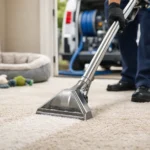
For households with pets, children, or frequent visitors, periodic deep cleaning helps remove the soil that ordinary vacuuming and spot treatment cannot reach. Truck-powered hot water extraction removes embedded soil and helps carpets dry faster when performed properly. It can be especially useful before listing a home, moving into a rental, or preparing a property for new tenants.
Montgomery County homeowners who want a consistent, hands-on approach can count on White Knight Carpet Cleaning for deep carpet care when a household stain needs more than a towel and a spot cleaner.
The best time to address a stain is while it is still small. Keep clean white towels and a gentle carpet-safe cleaner on hand, treat spills with a light touch, and give the carpet time to dry fully. That simple routine protects the appearance, comfort, and useful life of the carpet under your feet.