






The coffee table may look clean in the morning, then show a light film by late afternoon. That is a familiar frustration for many homeowners, especially in active households with children, pets, open windows, and carpeted rooms. Effective household dust control is not about chasing a perfectly spotless home. It is about reducing the dust that settles on surfaces, collects in carpet fibers, and circulates through the air you breathe.
Dust is more than a housekeeping nuisance. It can include soil tracked in from outside, pet dander, pollen, fabric fibers, hair, and tiny particles from daily life. A practical routine helps your home feel cleaner between professional services while protecting the floors and soft surfaces you have invested in.
Why Household Dust Control Matters
A little dust is unavoidable. The goal is to keep it from building up faster than you can manage it. When dust settles in carpets, rugs, upholstery, and air ducts, it can be stirred back into the air every time someone walks through a room, sits on the sofa, or turns on the HVAC system.
For families with allergy or asthma concerns, less dust can mean fewer irritants collecting in the areas where people spend the most time. Even without sensitivities, dust buildup affects how a home looks and feels. It dulls hard floors, makes dark furniture look neglected, and can leave carpets looking flat before their time.
There is also a property-care reason to stay ahead of it. Gritty soil particles can work down into carpet and act like fine abrasives under foot traffic. Regular vacuuming and periodic deep cleaning help remove that embedded soil before it has more opportunity to wear on carpet fibers.
Start With the Places Dust Enters
The best cleaning routine starts before the dust reaches the living room. Entryways, windows, pets, and heating and cooling systems are common sources. You do not need to eliminate every source, but a few habits can make a noticeable difference.
Place durable mats outside and inside frequently used doors. An outdoor mat catches larger debris, while an indoor mat gives shoes a second chance to release dirt. Encourage family members and guests to remove shoes when practical, particularly during wet weather or after yard work. In Maryland, spring pollen and winter road grit can both find their way indoors quickly.
Check window sills and screens during seasons when windows are open often. Fresh air is valuable, but open windows can also bring in pollen and outdoor dust. Wiping sills and vacuuming screens occasionally keeps that material from blowing or falling into the room.
Pets deserve special attention because dander and loose fur travel farther than most people expect. Brushing pets regularly, washing their bedding, and vacuuming the spots where they rest can reduce the amount that reaches your furniture and carpet. It is usually easier to address pet hair at its source than to remove it after it has worked into every corner.
Clean in an Order That Keeps Dust From Moving Around
Many homes look dusty again right after cleaning because the order is backwards. If you vacuum first and dust shelves afterward, loose particles simply fall onto the freshly vacuumed floor. Work from high to low instead.
Begin with ceiling fans, vents, high shelves, blinds, and light fixtures. Then clean furniture, counters, baseboards, and lower surfaces before finishing with the floors. A slightly damp microfiber cloth is often more effective than a dry feather duster, which may push particles into the air rather than capture them. For delicate surfaces, follow the furniture manufacturer’s care directions.
Vacuum carpets and area rugs slowly enough for the machine to do its job. Quick passes may pick up surface crumbs, but slower overlapping passes are better at lifting dry soil from carpet fibers. Pay extra attention to hallways, stairs, entrances, and the path between the kitchen and living areas. Those are usually the areas where soil accumulates first.
Hard floors should be vacuumed or swept before mopping. Otherwise, loose grit can be moved around with the mop. Use the cleaning method recommended for your specific flooring material. Hardwood, tile, laminate, and natural stone do not all respond well to the same products or amount of moisture.
Do Not Forget Soft Surfaces
Carpets are obvious dust collectors, but they are not alone. Upholstered chairs, curtains, throw pillows, mattresses, and fabric headboards can hold dust as well. Vacuum upholstery with the appropriate attachment, launder washable covers and blankets, and follow care labels for curtains.
Bedding is especially worth addressing because it is used every night. Washing sheets regularly and laundering blankets and comforters as their care labels allow helps reduce the dust, skin flakes, and pet hair that can collect in bedrooms. If pets sleep on the bed, more frequent washing may be needed.
Make Your Vacuum Work for Your Home
The right vacuuming schedule depends on your household. A quiet home with hard floors and no pets may need less frequent attention than a busy family home with carpet, a shedding dog, and children coming in from sports practice.
As a general approach, vacuum high-traffic carpeted areas at least once or twice a week, and vacuum more often when pets, allergies, or visible soil make it necessary. Bedrooms and lower-traffic rooms can often be handled weekly or as needed. The key is consistency, not trying to do the entire house only when the dust becomes obvious.
Your equipment matters, too. Empty the vacuum canister before it is packed full, replace bags when indicated, and clean or replace filters according to the manufacturer’s instructions. A poorly maintained vacuum may lose suction or release fine particles back into the room. If someone in the home is particularly sensitive to dust, a vacuum designed to capture fine particles may be a worthwhile consideration.
Keep HVAC Dust From Becoming a Whole-House Problem
Your heating and cooling system moves air through the home every day. A clean filter helps it do that job more effectively. Check the filter regularly and replace it on the schedule recommended for your system, adjusting sooner if you have pets, remodeling dust, or heavy seasonal use.
Do not cover supply or return vents with furniture, rugs, or boxes. Restricted airflow can make rooms less comfortable and allow dust to collect in places that are hard to reach. It also helps to vacuum vent covers carefully when you clean nearby floors and baseboards.
Air duct cleaning is not something every home needs on a fixed calendar. The right timing depends on what is happening in the home. Recent construction, water damage, visible debris around vents, a move into a previously occupied property, or a major dust problem may justify a closer look. A professional can help you determine whether duct cleaning is appropriate rather than treating it as a one-size-fits-all service.
Use Moisture Carefully
Humidity affects dust in two ways. Very dry air can make fine particles easier to stir up and can contribute to static cling on surfaces. Excess humidity, however, can create other problems, including conditions that encourage mold growth. The goal is a comfortable, moderate indoor humidity level, not adding moisture simply to control dust.
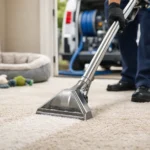
Avoid soaking carpets, rugs, or hardwood floors during routine cleaning. Too much water can damage some materials or leave carpets slow to dry. When carpet needs more than vacuuming can provide, professional truck-powered hot water extraction can remove embedded soil while helping carpets dry faster than older, heavily saturated methods.
When Routine Cleaning Is Not Enough
A good home routine controls the dust you can see, but carpet fibers hold soil below the surface. If carpets look dull, feel matted, have traffic lanes, or seem dusty again soon after vacuuming, it may be time for deeper cleaning. The same is true before listing a home, preparing a rental turnover, or welcoming a new baby or pet.
Professional cleaning complements regular care rather than replacing it. At White Knight Carpet Cleaning, the same owner-operated crew brings a consistent approach to homes, using truck-powered hot water extraction to help lift deeply embedded soil from carpet. For homeowners, property managers, and real estate agents, that can make a meaningful difference in how a space looks, feels, and presents.
Household dust control works best as a series of small habits: stop dirt at the door, clean from high to low, vacuum the busiest areas consistently, and give carpets and air systems professional attention when the situation calls for it. A home does not need to look like a showroom to feel well cared for. It simply needs a routine that keeps dust from becoming the next thing everyone notices.