






A spilled glass of red wine during dinner, muddy footprints after a Maryland rainstorm, or a pet accident discovered the next morning can make a clean room feel suddenly worn out. Carpet stain restoration is often possible, but the outcome depends on what caused the spot, how long it has been there, and what has already been used to treat it.
The goal is not simply to make a stain less noticeable for a few days. Proper restoration addresses the material left in the carpet fibers, the backing beneath them, and the residue that can attract new soil after a spot appears clean. With the right response and professional cleaning when needed, many carpets can regain a much cleaner, more even appearance.
What Determines Whether a Carpet Stain Can Be Restored?
Not every mark on carpet is technically a stain. Some are residues that can be removed, while others are permanent dye changes or physical damage to the fiber. Knowing the difference helps set reasonable expectations and prevents homeowners from spending more time and product on a spot that needs a different solution.
Fresh spills usually offer the best opportunity for successful removal. Coffee, juice, food, tracked-in dirt, and many pet-related spots are easier to treat before they dry and settle into the fibers. Once a spill has been heated, rubbed deeply into the carpet, or treated repeatedly with the wrong product, it may take more work to restore.
The carpet itself matters, too. Nylon is generally durable and responds well to professional cleaning. Wool requires more careful treatment, and some natural or specialty fibers can react poorly to high alkalinity, excessive moisture, or store-bought spotters. Carpet color, pile height, backing, and previous cleanings all affect the safest approach.
Age is another factor, but an older stain is not automatically permanent. A spot that has been there for months may still improve substantially if it is made of removable soil or residue. On the other hand, bleach, certain hair dyes, acne treatments, and strong cleaning chemicals can remove or alter the carpet’s original color. That is color loss, not a removable stain.
The First Few Minutes Matter Most
When a spill happens, avoid the instinct to scrub. Scrubbing can twist and fray carpet fibers, spread the spill outward, and force it deeper toward the backing and pad. Instead, blot gently with clean white towels, working from the outside edge toward the center.
Use a small amount of cool water for many common water-based spills, then blot again. Do not soak the carpet. Too much moisture can push the spill farther down, loosen backing adhesive, and create conditions where a stain returns during drying.
A few common mistakes can make carpet stain restoration more difficult:
- Applying several cleaning products at once, which can create sticky residue or unwanted chemical reactions.
- Using dish soap, laundry detergent, or heavily fragranced cleaners that are difficult to rinse from carpet.
- Pouring hot water on protein-based stains such as milk, blood, or pet accidents, which may set the material.
- Using colored towels, which can transfer dye onto damp carpet.
- Waiting until a stain becomes dark, crusted, or odorous before seeking help.
If you use a spot treatment, test it first in a hidden area and follow the product directions carefully. More product is rarely better. The cleaner left behind may become a magnet for soil, making the same area look dirty again soon afterward.
Why Stains Sometimes Return After Cleaning
A spot can appear gone while the carpet is damp, then reappear as it dries. This is often called wicking. Moisture from the cleaning process pulls remaining material from lower in the carpet or padding upward to the surface, where it becomes visible again.
Wicking is especially common with large drink spills, pet accidents, and heavily soiled traffic areas. It does not necessarily mean the carpet was cleaned poorly. It can mean the original spill reached deeper than expected and needs additional treatment, controlled drying, or extraction from the backing and pad.
Odor can behave the same way. If the source remains below the surface, a room may smell fresh immediately after cleaning but develop an odor again when humidity rises. A professional should assess whether the affected area needs targeted treatment rather than a surface-level spot removal.
How Professional Carpet Stain Restoration Works
Professional results come from matching the treatment to the stain rather than relying on one product for every problem. A trained cleaner first identifies the likely source, tests the carpet when appropriate, and looks for signs of color loss, residue, wicking, or damage beneath the surface.
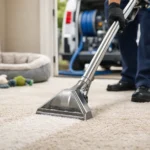
For many homes, truck-powered hot water extraction is an effective part of the restoration process. The method uses controlled cleaning solution, water, agitation, and powerful extraction to remove embedded soil and residues from carpet fibers. Strong extraction also helps reduce the amount of moisture left behind, which supports faster drying and makes the room easier to use sooner.
Some stains need specialized pre-treatment before extraction. Greasy food spills may require a different approach than tannin stains from coffee or wine. Pet accidents may need treatment that addresses odor-causing material, while rust, ink, or dye stains call for careful spot work. Results depend on the stain and the carpet, so a trustworthy cleaner should be direct about what can reasonably be improved.
Professional cleaning also offers a practical advantage for families preparing for guests, a move, or a home sale. A carpet with visible spots can make an otherwise well-maintained room feel neglected. Restoring high-visibility areas such as living rooms, hallways, stairs, bedrooms, and entryways can improve the overall presentation of a home without replacing carpet prematurely.
When Cleaning Is Not Enough
There are times when no cleaning method can return carpet to its original condition. Bleach spots are a clear example because the carpet’s dye has been removed. Burn marks, melted fibers, severe wear, and permanent dye transfer can also require repair, patching, or replacement instead of cleaning.
A responsible cleaning company will not promise perfection when the carpet has permanent damage. Still, improvement can be worthwhile. Reducing the contrast of a stain, removing odor, lifting embedded soil, and improving the surrounding carpet can make a room look far better and may extend the useful life of the flooring.
For rental turnovers and real estate listings, this distinction is particularly useful. Full replacement may not be necessary when targeted stain restoration and a complete professional cleaning can bring the carpet back to a clean, presentable condition. The best choice depends on the carpet’s age, condition, and the expectations for the property.
Keeping Restored Carpet Looking Better Longer
Once a stain has been treated, daily habits make a meaningful difference. Vacuuming regularly removes dry soil before it is pressed into the fibers. Entry mats near exterior doors limit grit and moisture, while a quick response to spills reduces the chance of a permanent mark.
For homes with children or pets, it is wise to keep clean white towels on hand and have a plan for accidents. Blot, avoid over-wetting, and call for guidance when the spill is large, strongly colored, oily, or has an odor. Treating the right problem early is generally more affordable than trying to correct a heavily set stain later.
Routine professional cleaning also helps prevent traffic lanes from becoming dull and matted. It removes the fine soil that ordinary vacuuming cannot fully reach and gives a cleaner a chance to identify developing problem areas before they become more noticeable.
Common Questions About Carpet Stains
Can an old stain still come out?
Sometimes. Old stains may respond well if they are made of removable residue, but the longer a spill remains, the more likely it is to oxidize, bond to fibers, or attract additional dirt. Permanent color changes cannot be cleaned away, though surrounding soil can often be removed to improve the area.
Should I rent a carpet cleaning machine for a stain?
Rental machines can help with light, fresh spills, but they may leave more moisture behind than professional equipment and can be difficult to rinse thoroughly. For a large spill, pet contamination, recurring spot, or stain in a visible area, professional extraction is often the safer choice.
Are professional carpet cleaning products safe around children and pets?
A professional should use appropriate products for the carpet and explain drying guidance clearly. Keep children and pets off damp carpet until it is dry, and mention any sensitivities or concerns before service begins.
A stain does not have to become the reason to replace a carpet. When you act promptly and choose treatment based on the actual cause of the problem, restoration can protect both the appearance of your home and the life of your flooring. For difficult or returning spots, the experienced team at White Knight Carpet Cleaning can provide an honest assessment and careful cleaning that respects your home.