






A carpet can look vacuumed and still hold pounds of grit, tracked-in soil, food residue, and pet oils deep at the base of its fibers. That is why the best carpet cleaners for deep soil are not simply the ones that leave a pleasant fragrance or make a stain less noticeable. They must loosen embedded dirt, lift it out of the carpet, and avoid leaving behind residue that attracts more soil.
For busy households, especially those with children, pets, or high-traffic entryways, the right choice comes down to more than a bottle on a store shelf. Cleaning method, machine power, dry time, carpet type, and the age of the soil all matter.
What Deep Soil Actually Means
Deep soil is the dirt that has moved below the visible surface of the carpet. Fine sand, dry outdoor debris, cooking residue, body oils, pet dander, and spills can work their way down through the fibers. Each step on the carpet presses that material farther toward the backing.
This is different from a fresh spot or a surface stain. A spot cleaner may improve the appearance of a recent spill, but it often cannot flush out the gritty buildup that causes traffic lanes to look gray, matted, or dull. When carpet fibers feel stiff after cleaning, or dark areas return quickly, leftover soil or cleaning solution may be part of the problem.
Deep cleaning should remove soil rather than push it around. That is the standard homeowners should use when comparing methods.
Best Carpet Cleaners for Deep Soil: Methods That Deliver
The best option depends on the condition of the carpet and the result you need. A small portable cleaner can be useful for a fresh pet accident. A rental machine can be a reasonable choice for a lightly soiled room. But for heavily traveled family rooms, stairs, rental turnovers, or carpets that have not been professionally cleaned in years, the cleaning method becomes especially important.
Truck-powered hot water extraction
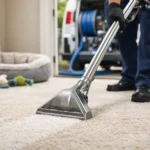
For deep, widespread soil, truck-powered hot water extraction is generally the strongest choice. The process applies a controlled cleaning solution, uses hot water to break up oils and soil, then extracts the water and loosened debris with powerful suction.
The value is not heat alone. Strong extraction is what helps remove dirty water and cleaning agents from the carpet rather than leaving them behind. It also helps carpets dry faster than they may with lower-powered equipment. Faster drying is more comfortable for the household and reduces the chance that freshly cleaned fibers will attract dust from foot traffic too soon.
This method is widely recommended by carpet manufacturers because it can clean thoroughly while being appropriate for many carpet types when performed correctly. It is particularly effective for high-traffic paths, heavily used living areas, and carpets with ground-in dirt.
Portable carpet extractors
Home portable machines are helpful tools for maintenance. They work best when used promptly on spills or for small, contained areas. A good portable extractor can lift a fair amount of dirty water from a rug or a small bedroom, especially when paired with careful vacuuming beforehand.
The trade-off is power. Most household machines have less heat, water pressure, and suction than professional equipment. If a carpet is deeply soiled throughout, repeated passes can add moisture without fully removing the embedded dirt. Overwetting can lead to longer dry times and may create problems if the carpet backing or pad stays damp.
Use a portable cleaner as a first response, not as a replacement for periodic deep cleaning in a busy home.
Rental carpet cleaners
Rental machines may have more capacity than many home units, and they can be useful for a budget-conscious refresh. Their results vary, however, based on machine condition, the cleaning solution used, the operator’s technique, and how thoroughly the carpet is rinsed and extracted.
A common mistake is using too much detergent in hopes of getting a better result. Excess solution can remain in the fibers, creating a sticky surface that traps new dirt. Another mistake is making too many wet passes without enough dry extraction passes. The carpet may look cleaner that day but feel crunchy or become dirty again sooner than expected.
If you rent a machine, vacuum carefully first, follow the solution instructions exactly, avoid soaking the carpet, and allow plenty of time for drying. It can be a practical option for moderate soil, but it has limits with long-standing grime.
Low-moisture and dry-compound systems
Low-moisture methods use absorbent compounds or specialized pads to collect soil with limited water. They can be useful where fast access is essential, such as a lightly soiled office, a quick touch-up before guests arrive, or a carpet that cannot have a long dry time.
For deep residential soil, though, they may not be enough on their own. They do not always provide the flushing action needed to remove oils, fine grit, and residue from deep in the pile. The right application depends on the carpet, its condition, and the cleaning goal.
The Cleaning Solution Matters, but It Is Not the Whole Answer
Many products promise professional results, but no cleaning solution can compensate for weak soil removal. A solution should be selected for the type of stain or soil present, then thoroughly extracted or rinsed according to the method used.
Enzyme-based products can be useful for organic pet accidents when used correctly and given enough dwell time. Degreasing solutions may help with oily kitchen-adjacent traffic areas. A neutral cleaner is often a safer general choice for routine carpet care. Bleach, harsh alkaline products, and untested DIY mixtures can damage color, weaken fibers, or set certain stains.
Always test a cleaning product in an inconspicuous area. Wool, natural fibers, older carpets, and specialty rugs deserve extra caution. For these materials, professional assessment is often the safer route.
How to Get Better Results From Any Cleaner
Even the best equipment performs poorly when preparation is skipped. Vacuuming is essential because dry soil is easier to remove before water is added. Take time with edges, under furniture where possible, and traffic lanes. A slow, thorough vacuuming can make a noticeable difference in the final result.
Treat spots before the main cleaning, but do not scrub aggressively. Blot fresh spills with a clean white towel, working from the outside toward the center. Scrubbing can spread the stain, fray fibers, and push the material deeper into the carpet.
After cleaning, keep pets, children, and foot traffic off the carpet until it is dry. Use fans or normal home airflow to help the process along. Furniture should not be placed directly back on damp carpet unless protective tabs or blocks are used under the legs.
When Professional Cleaning Is the Better Value
Professional cleaning is not only for carpets that look severely stained. It is also a practical part of protecting a major home investment. Regular removal of abrasive grit helps carpet fibers maintain their appearance and can support the manufacturer’s care recommendations.
Consider professional hot water extraction when you notice any of these signs:
- Traffic lanes remain dark or matted after vacuuming.
- The carpet has a persistent odor, especially from pets or spills.
- Your last cleaning left the carpet crunchy, sticky, or slow to dry.
- You are preparing a home for sale, a new tenant, or a move-in.
- The carpet has not had a deep cleaning in a year or more.
For homeowners in Montgomery County, a consistent local crew can make this process easier. White Knight Carpet Cleaning uses truck-powered hot water extraction to address deep soil while respecting the home and helping carpets dry promptly. For real estate agents and property managers, this approach can also help a listing or rental present as clean and well maintained without unnecessary delay.
A Cleaner Carpet Starts Before It Looks Dirty
Carpets do not need to reach the point of visible stains before they deserve attention. Regular vacuuming, prompt spot care, and professionally scheduled deep cleaning work together to prevent soil from becoming permanently embedded. If the carpet feels rough underfoot or the traffic lanes have lost their color, that is a good reason to choose a method built to remove what is hiding below the surface.